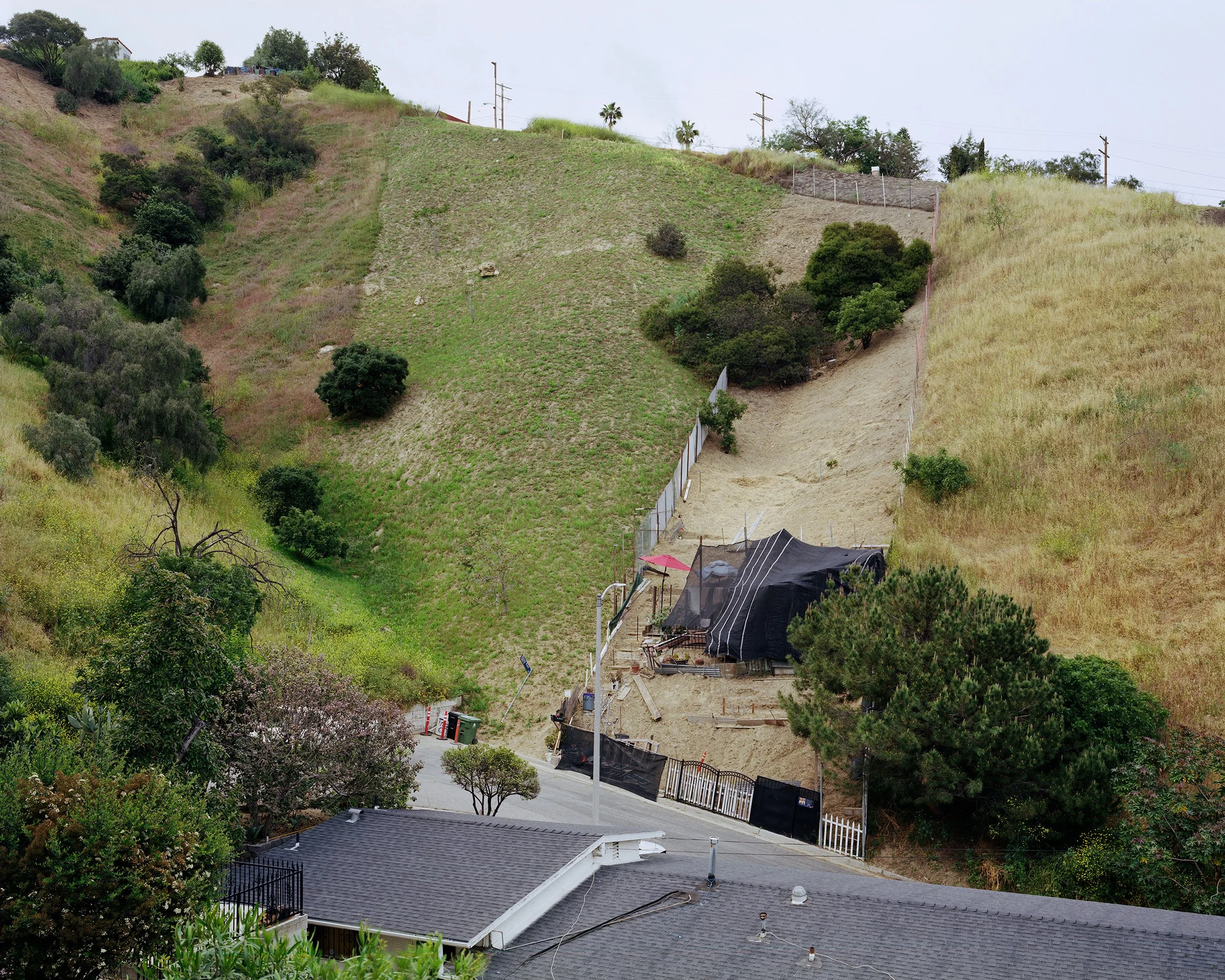

Paloma Dooley, Radium Drive Lot Lines, 2023. Courtesy of the Artist.

Submissions
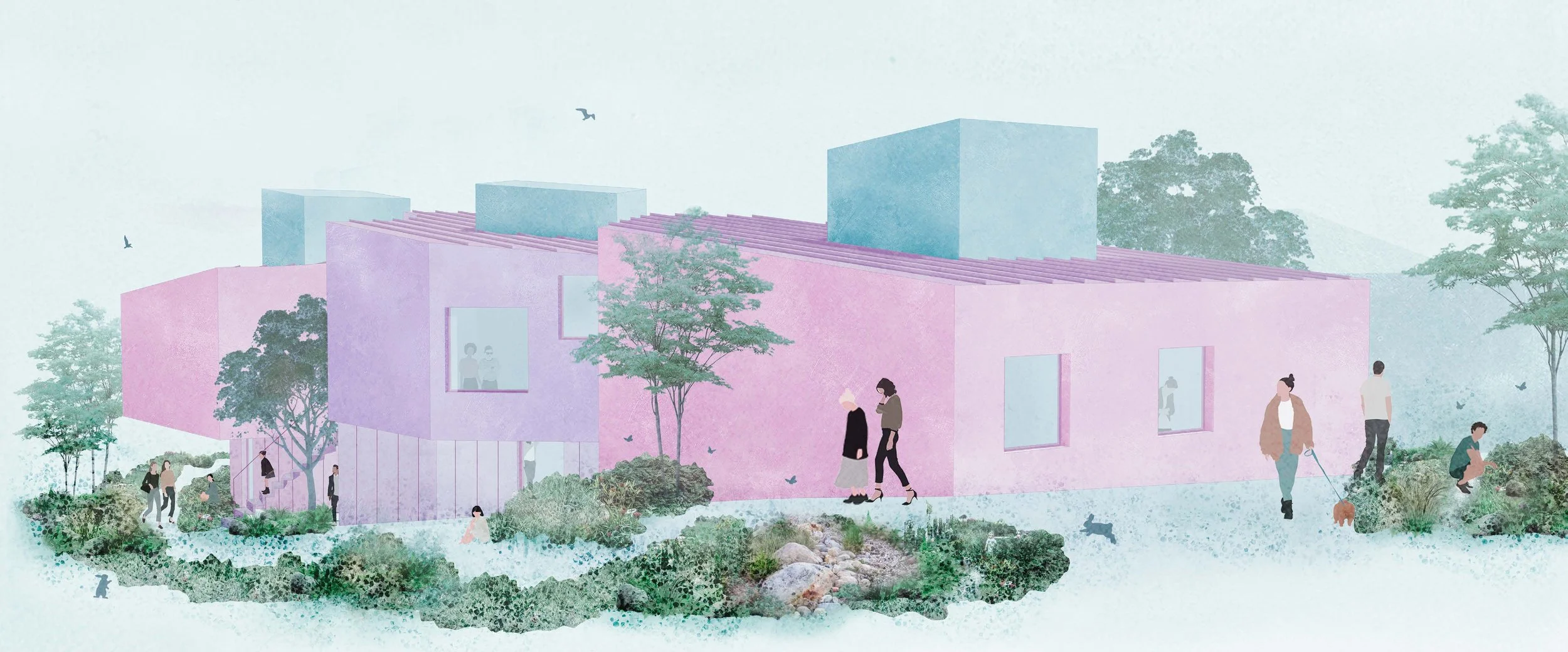
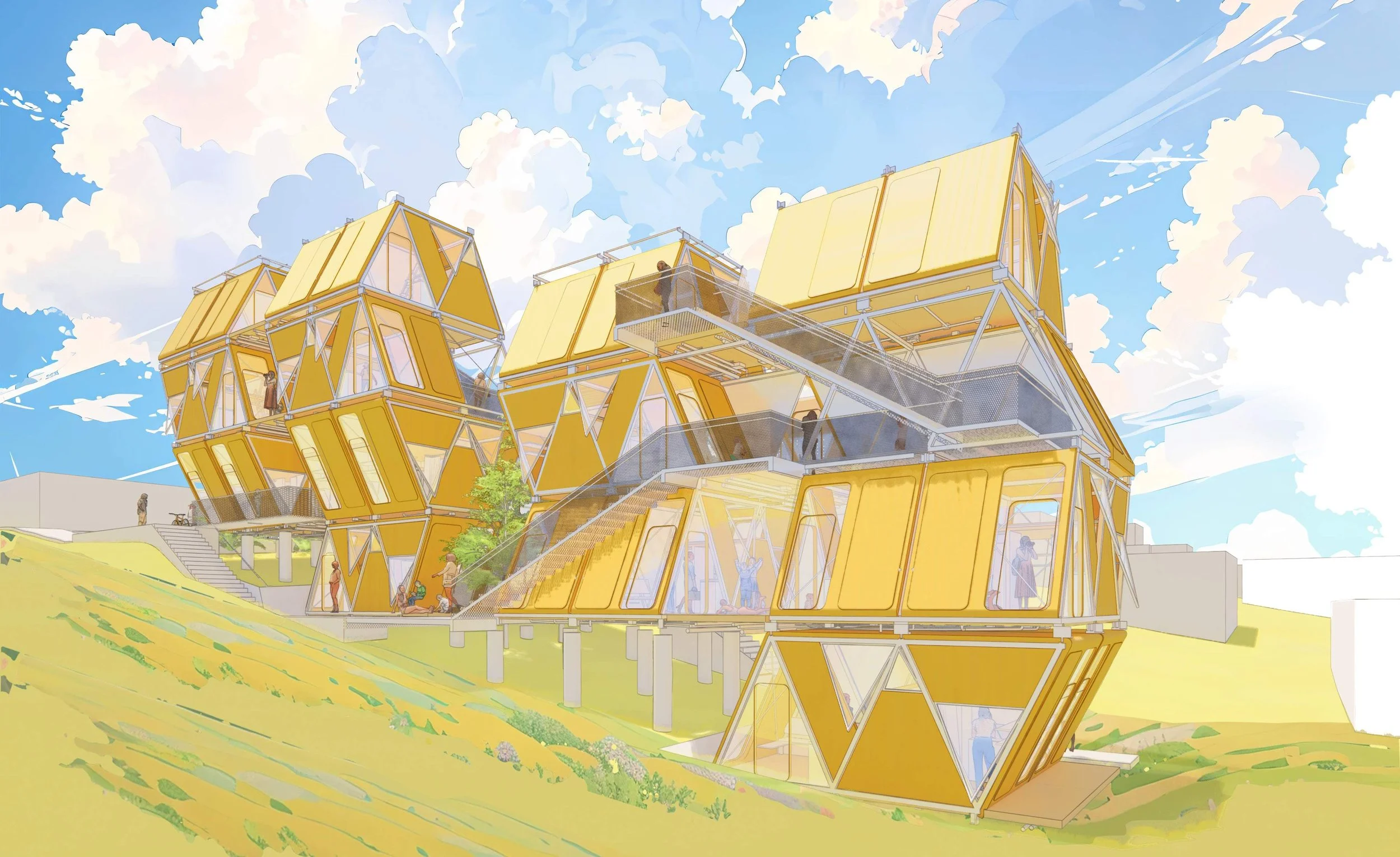
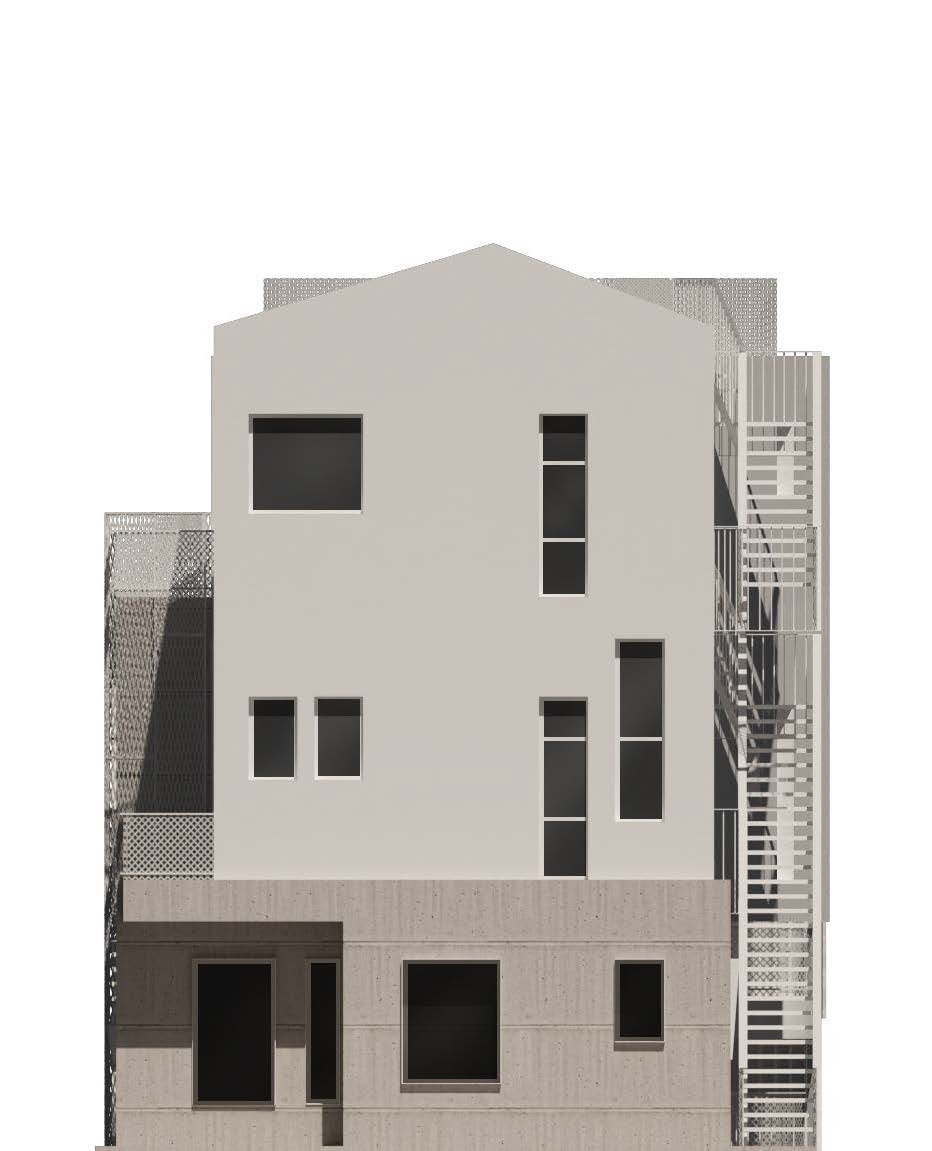
The Small Lots, Big Impacts design competition generated a groundswell of interest and energy from all corners of the globe. We received 356 submissions from 36 different countries, with submissions coming from small, young firms and large, established ones; lone practitioners and teams; and students and seasoned professionals. A lion’s share of the submissions came from L.A. based firms, and the impressive engagement from our architectural community shows their willing, creative leadership in the city’s housing crisis and fire recovery.
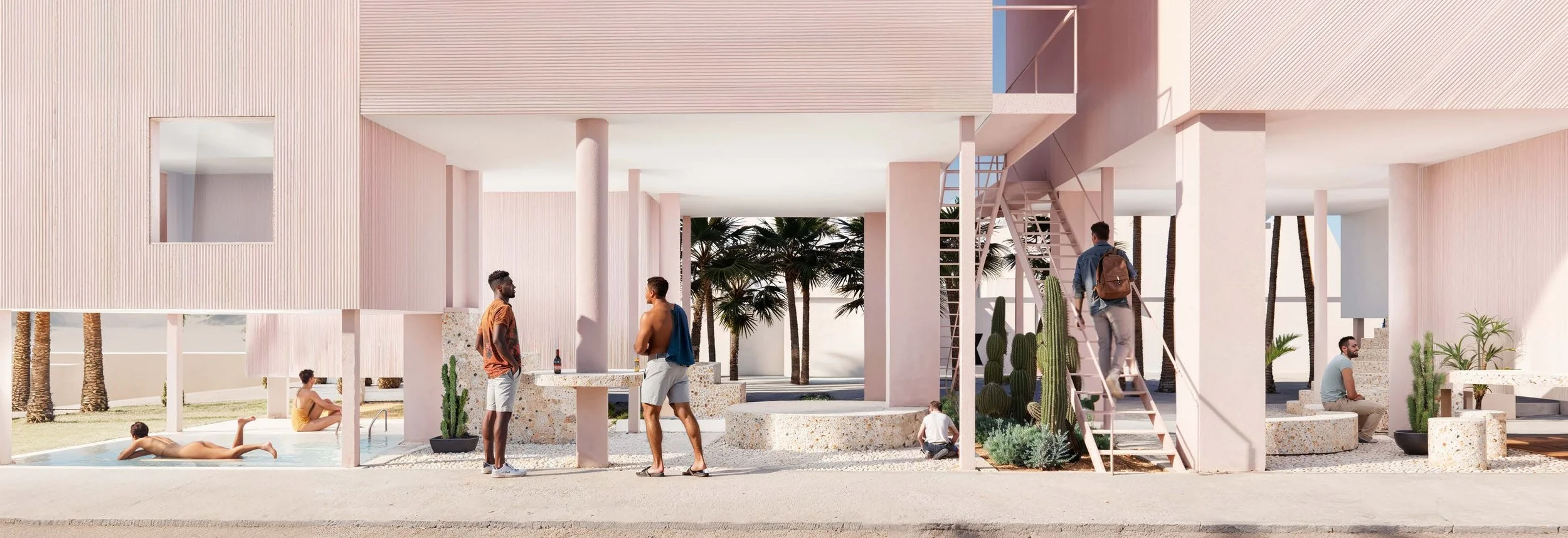
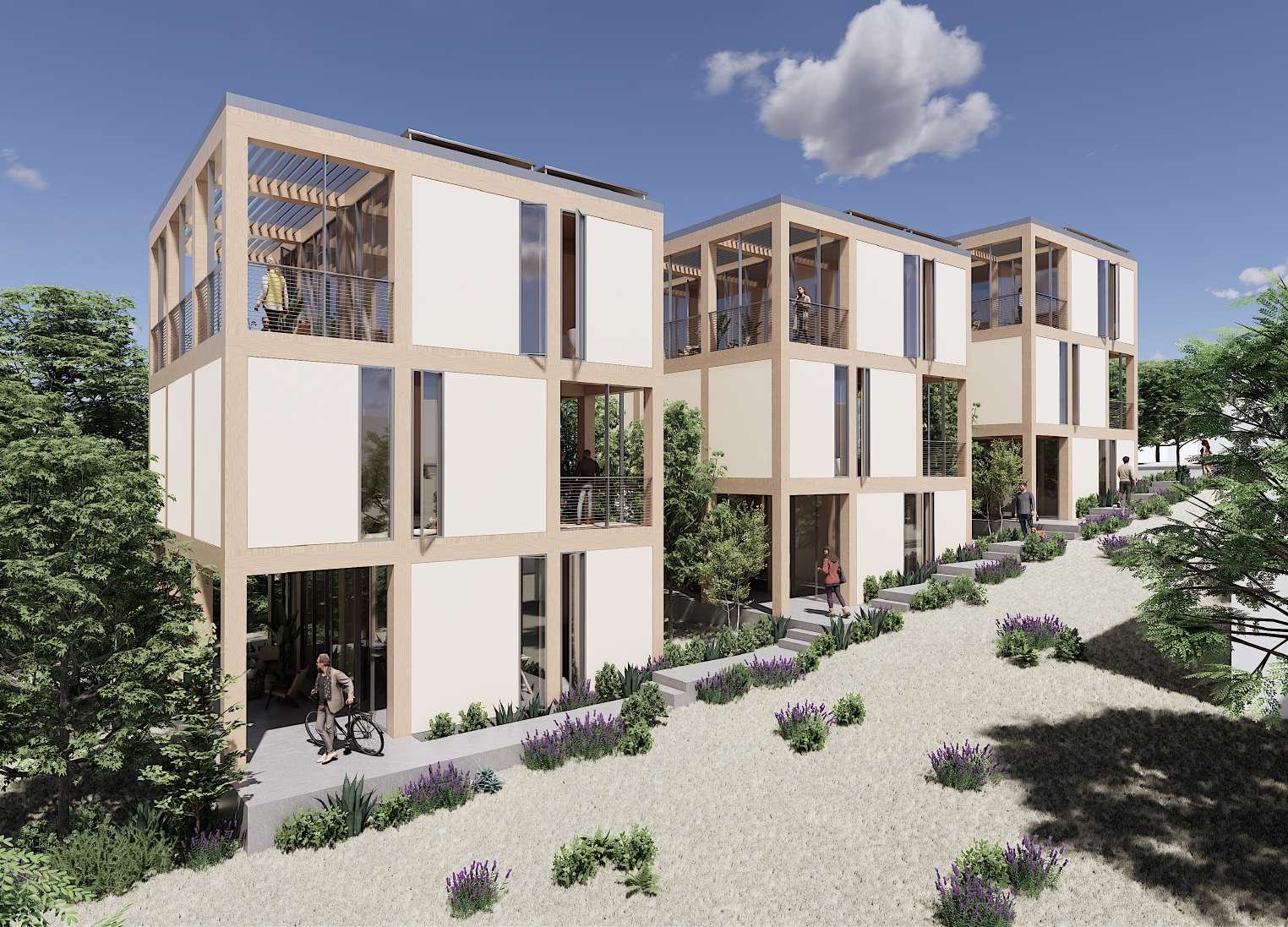
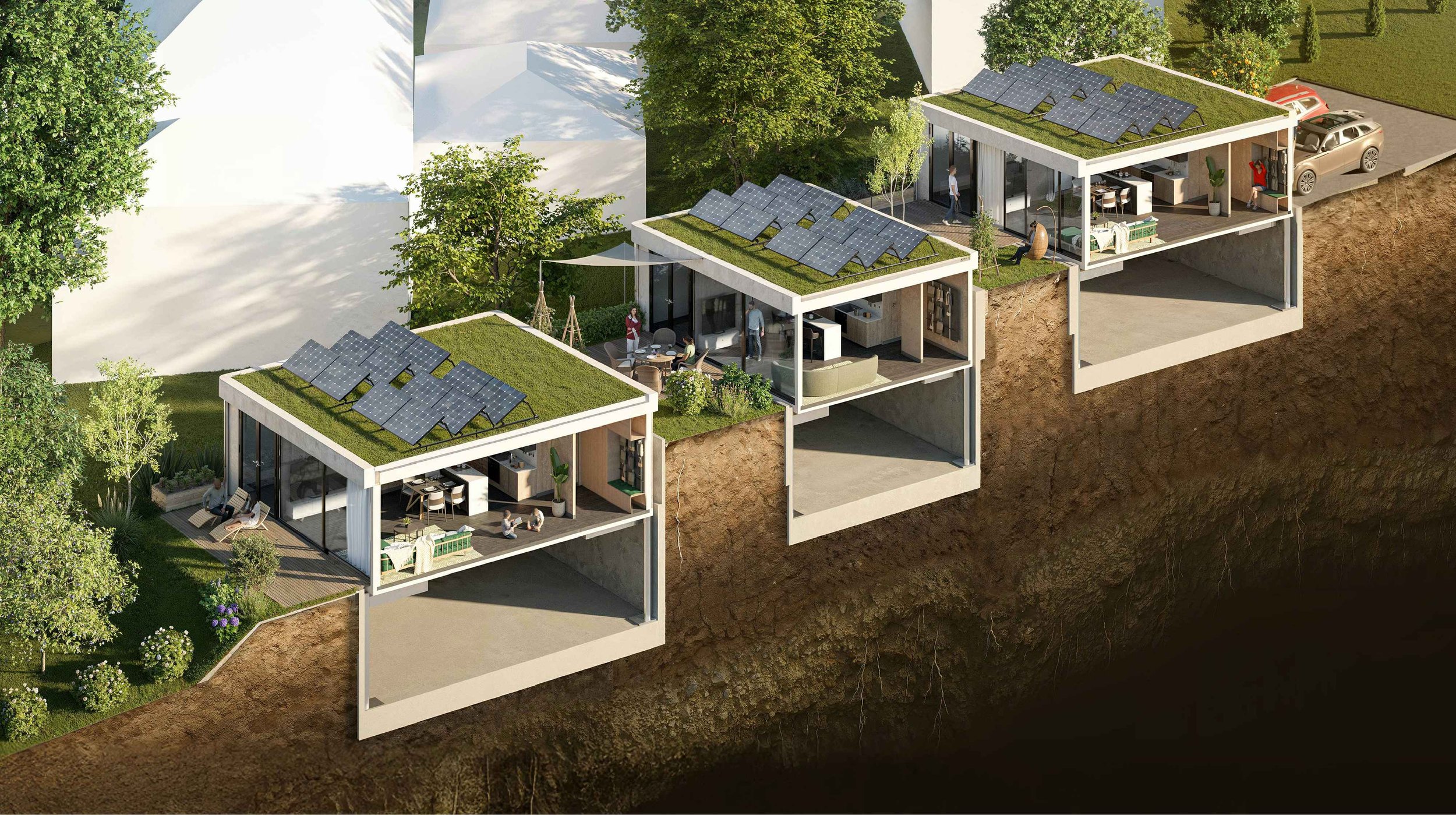
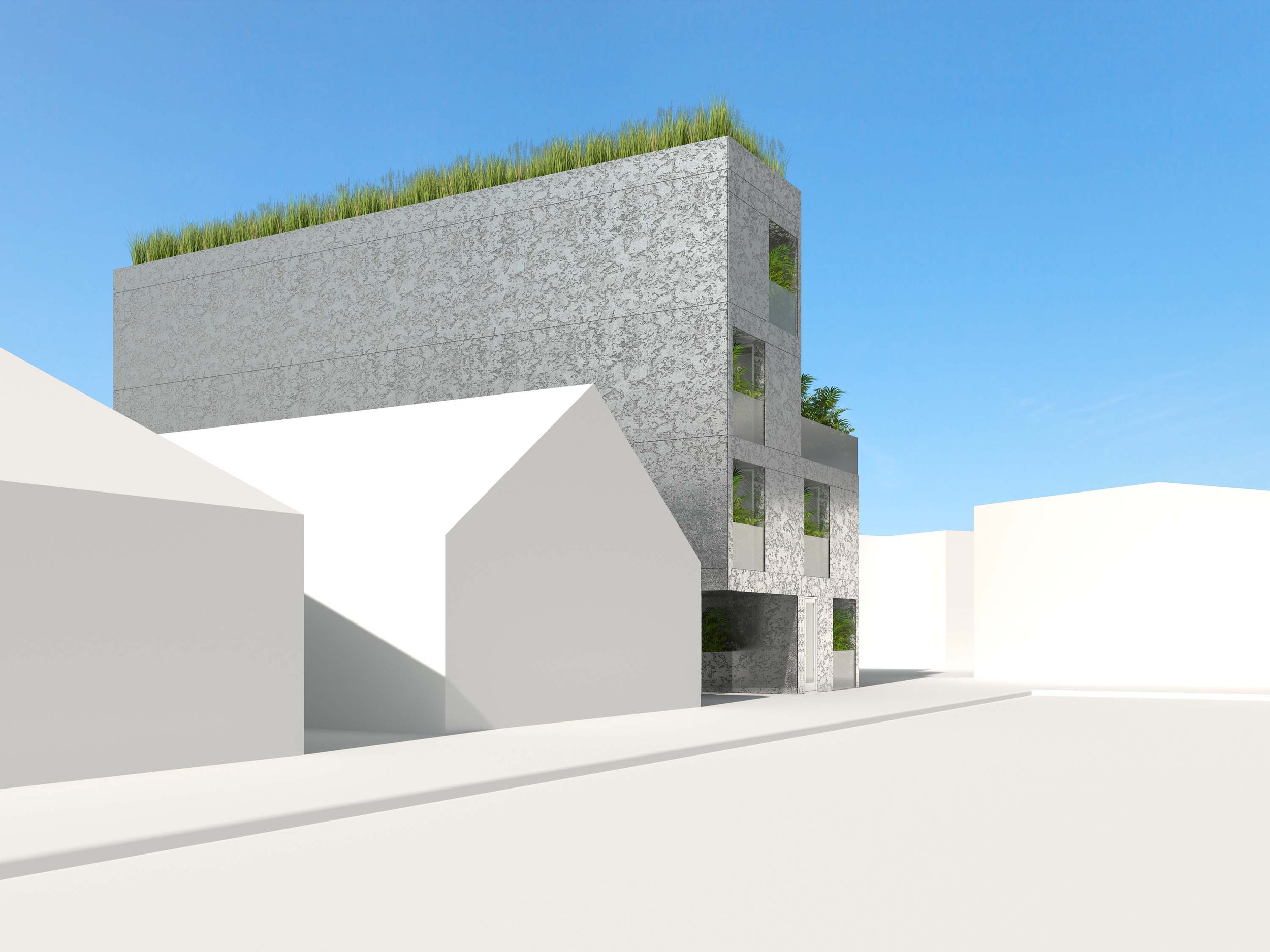
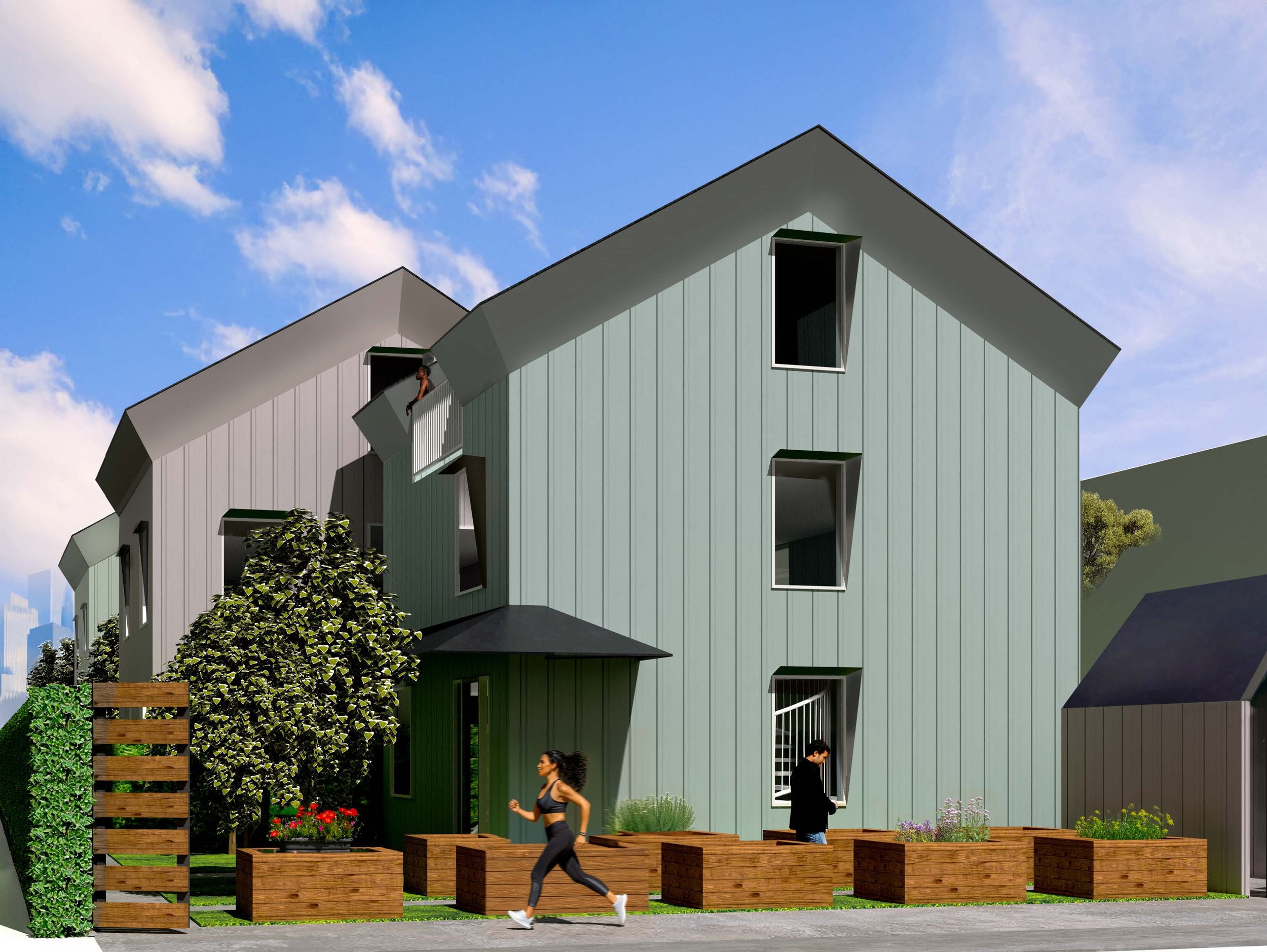
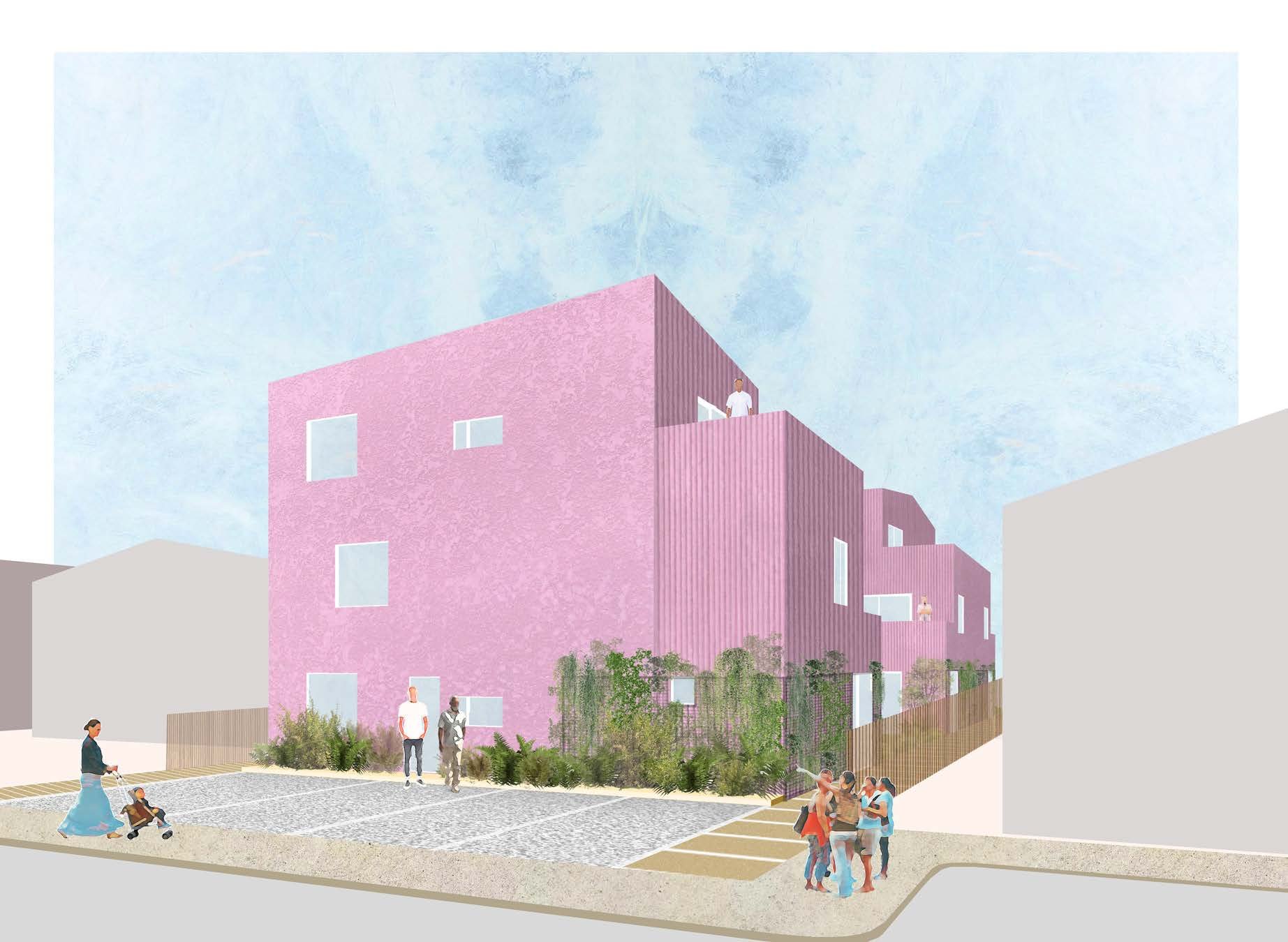
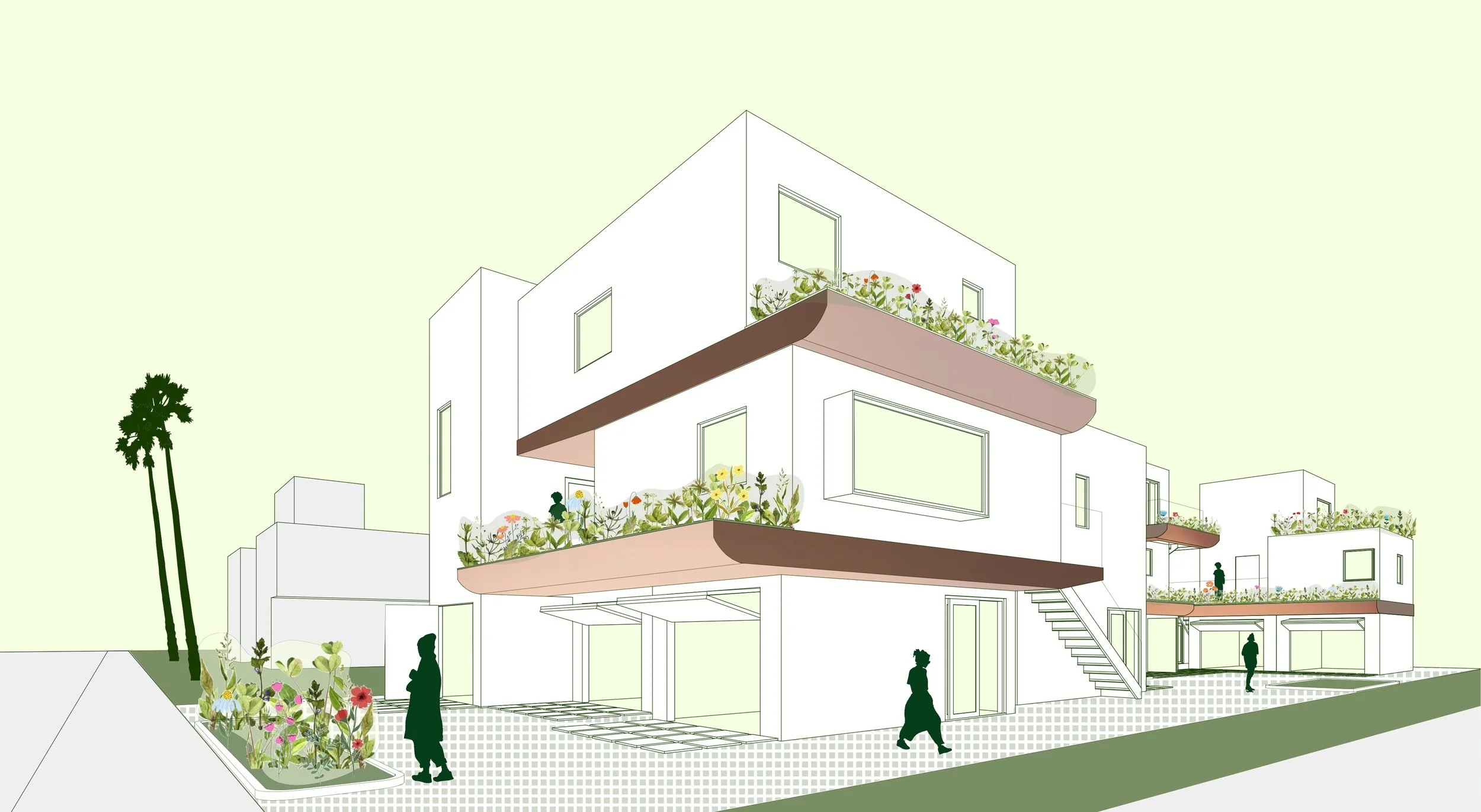
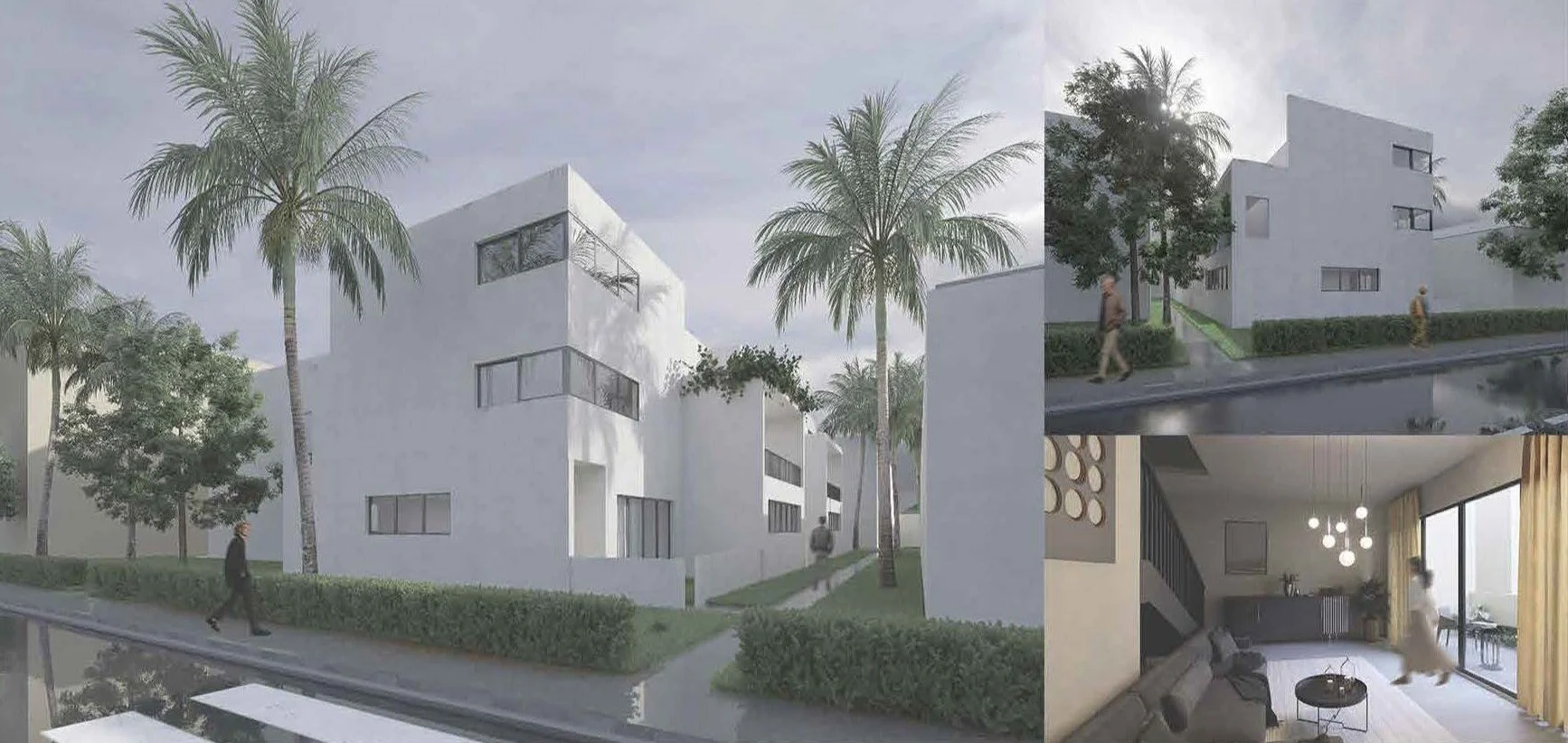
Below, we catalogue all submissions to honor the work we received and to ensure that the public can be inspired by the myriad great ideas about building housing on small lots. We've marked the submissions that won or received citations with a green bar, the submissions that received special recognition with a black bar, and all submissions from L.A. with a note in their titles.
Los Angeles has a rich history of housing innovation and of pioneering new housing models, but in recent years we have struggled to find a way forward. This competition lays out a distinctly L.A. way of making homeownership more attainable from Angelenos across the city.
Gentle Density
Site A: Professional
















Site A: Student
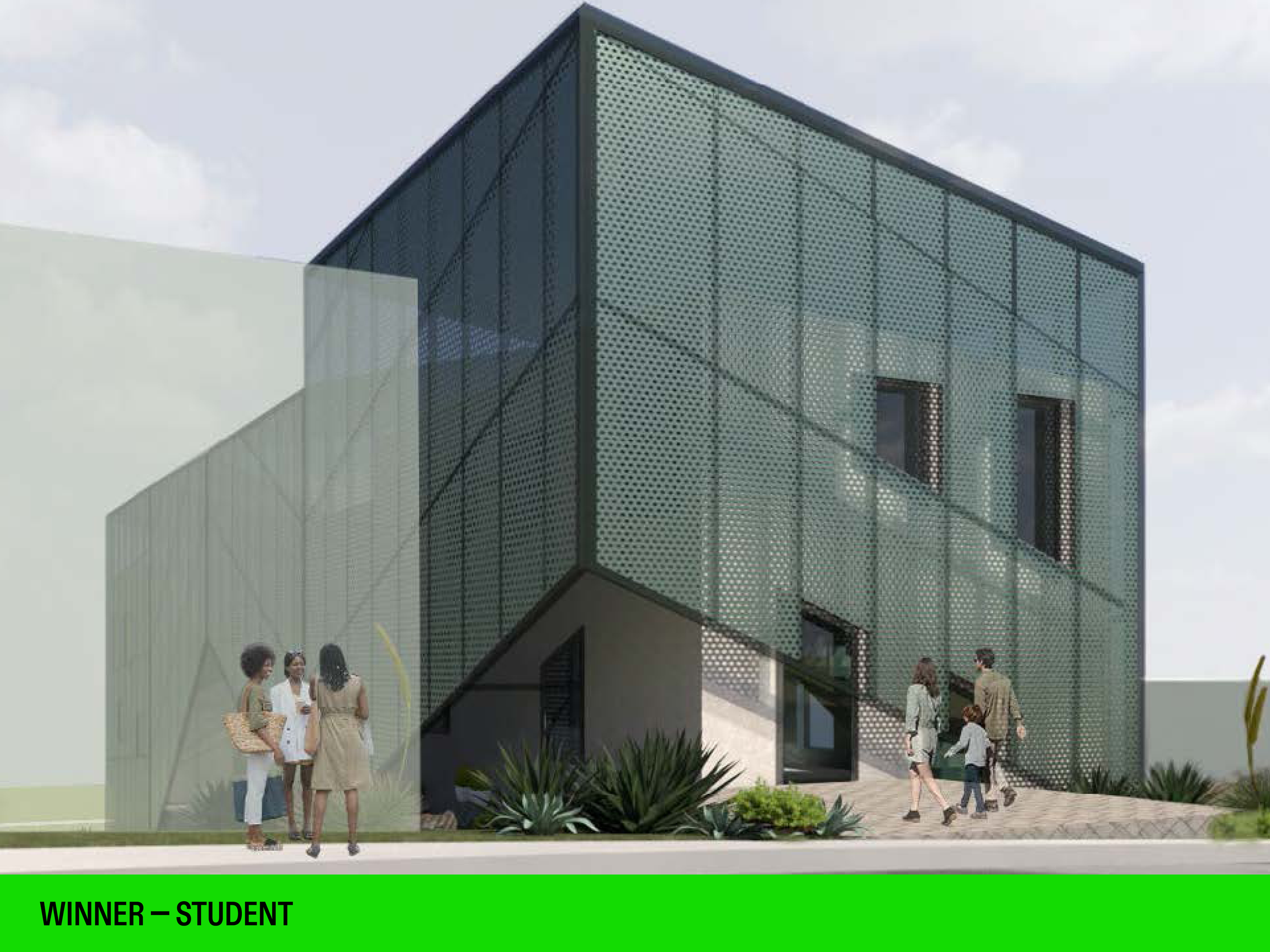


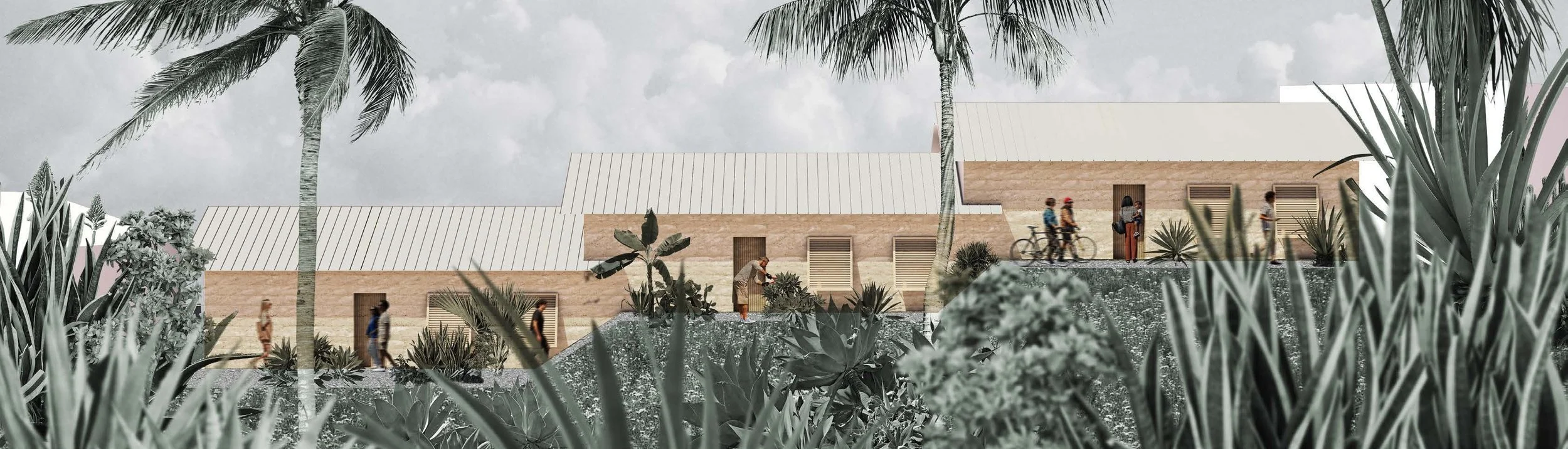


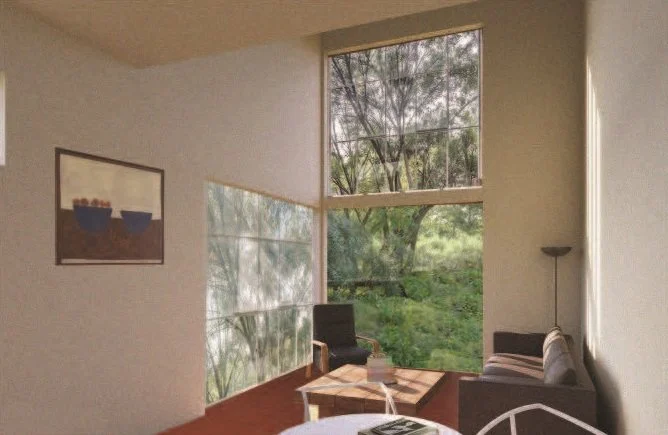
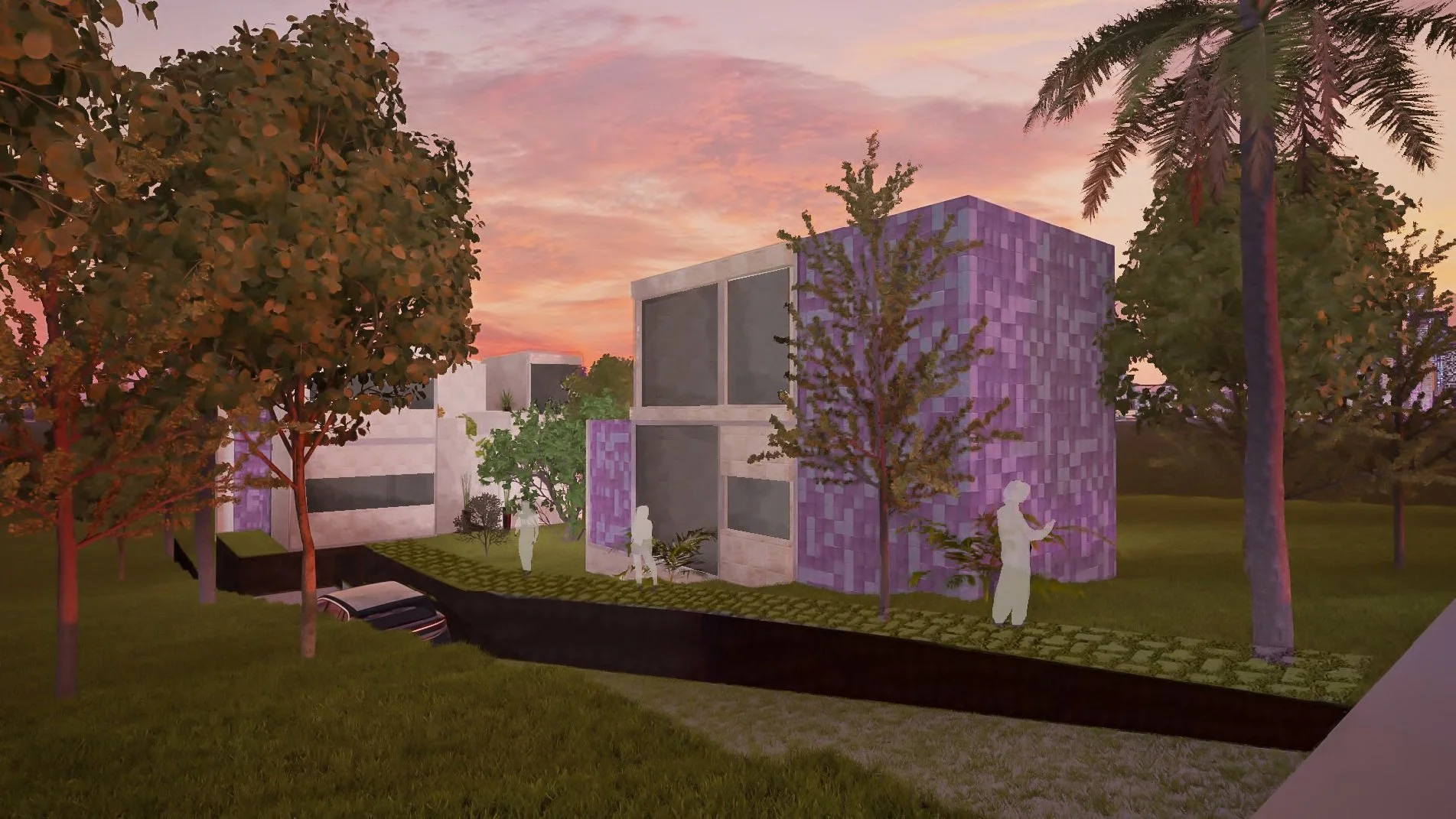
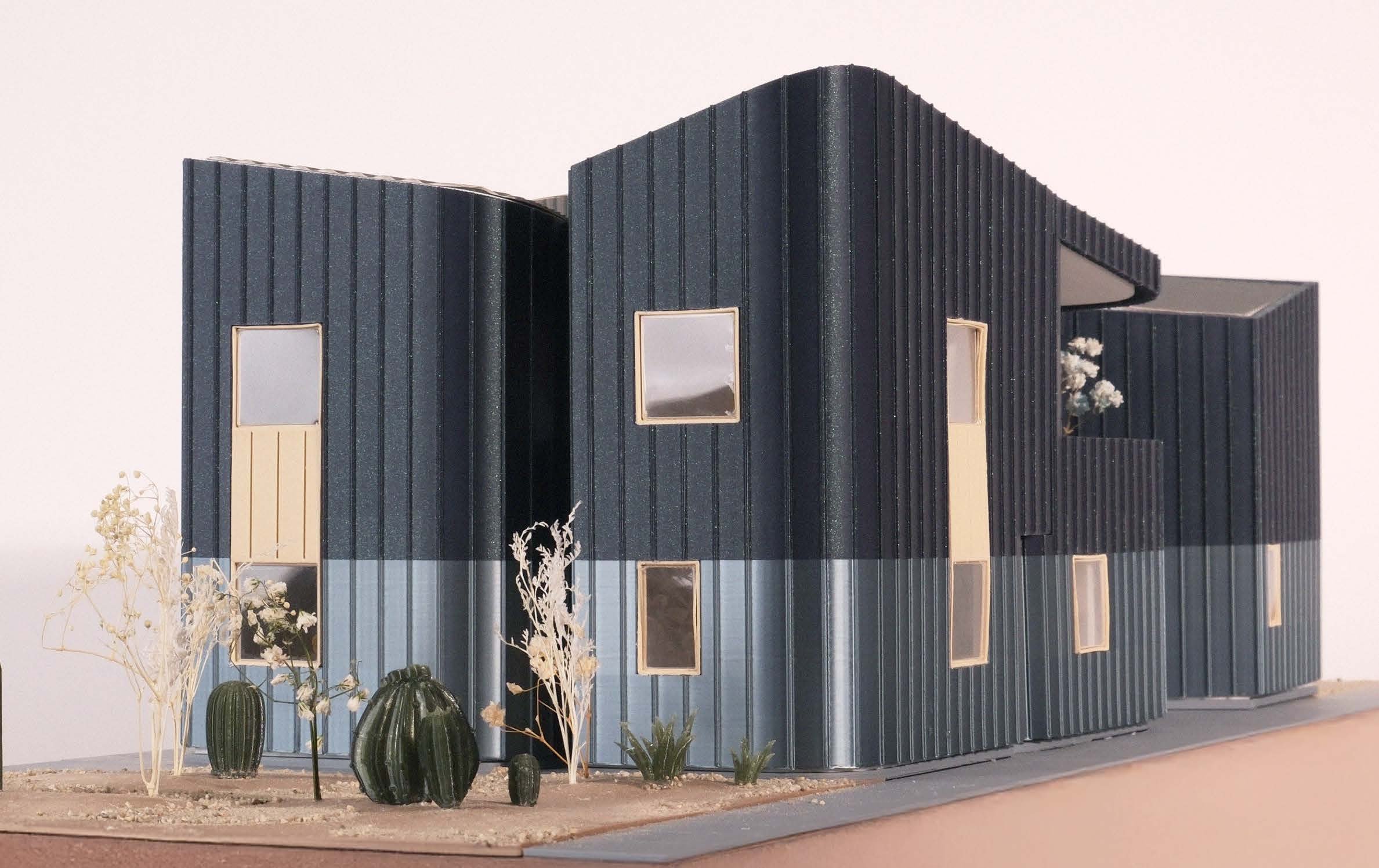


Site B: Professional


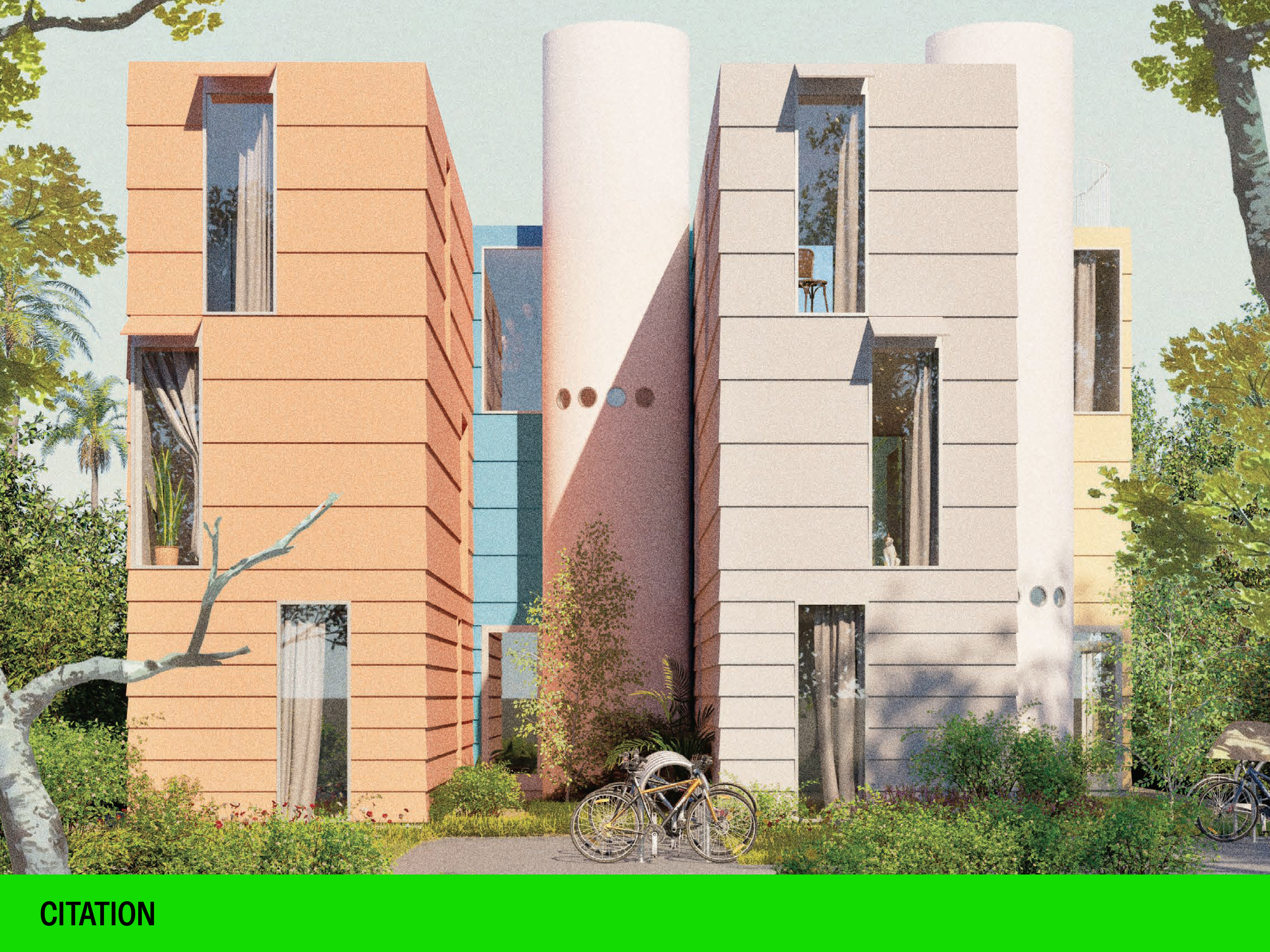


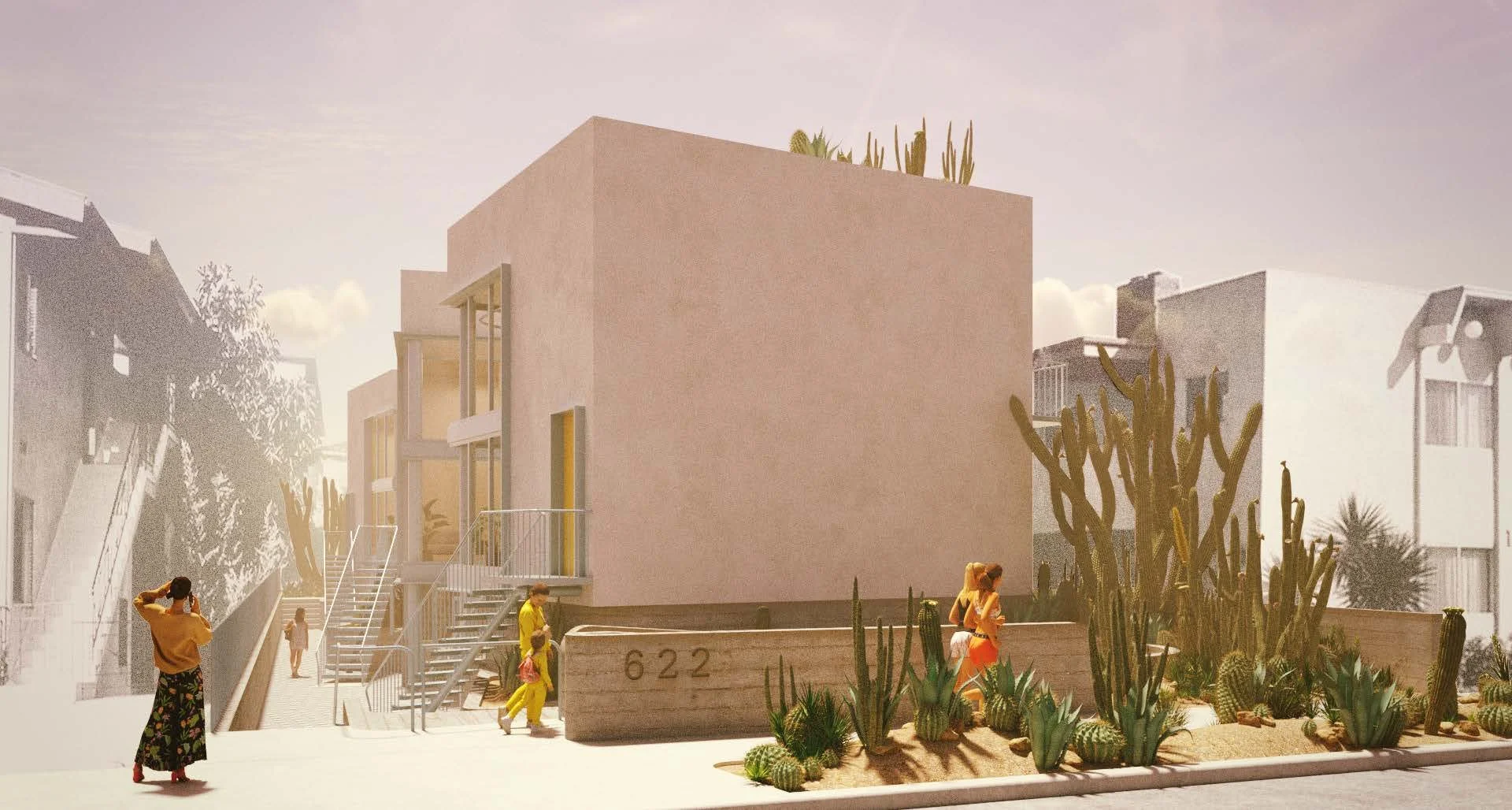


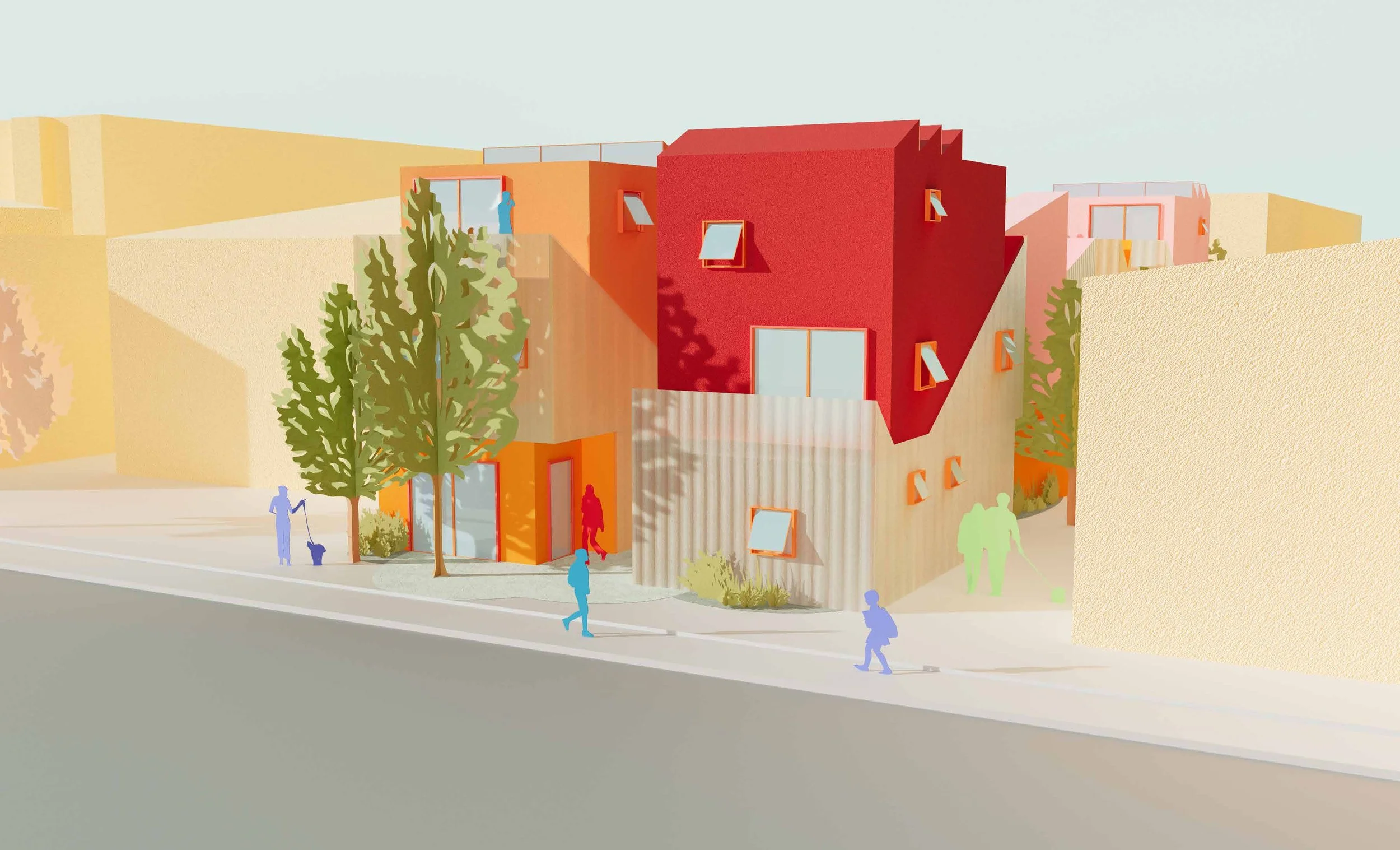


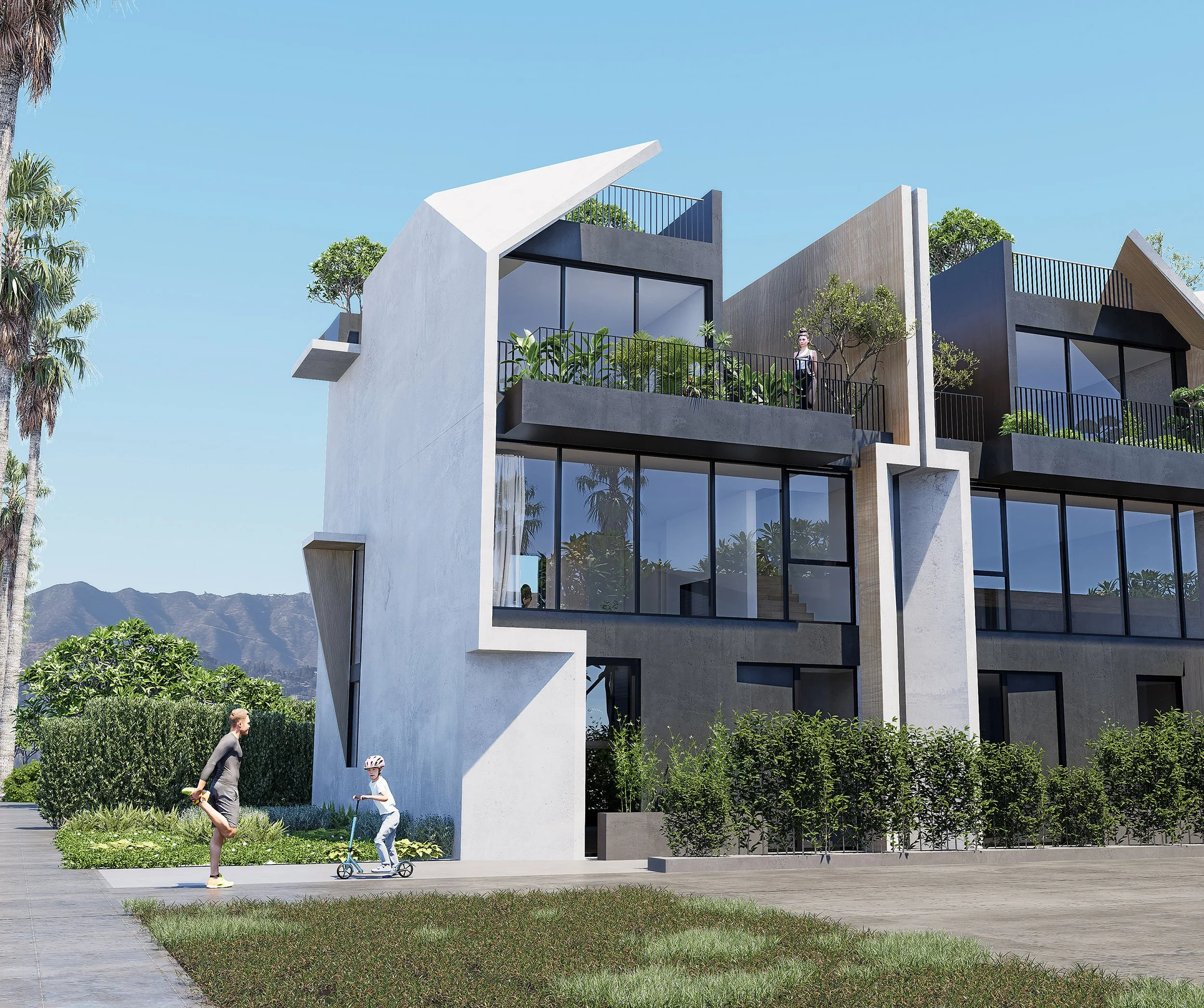

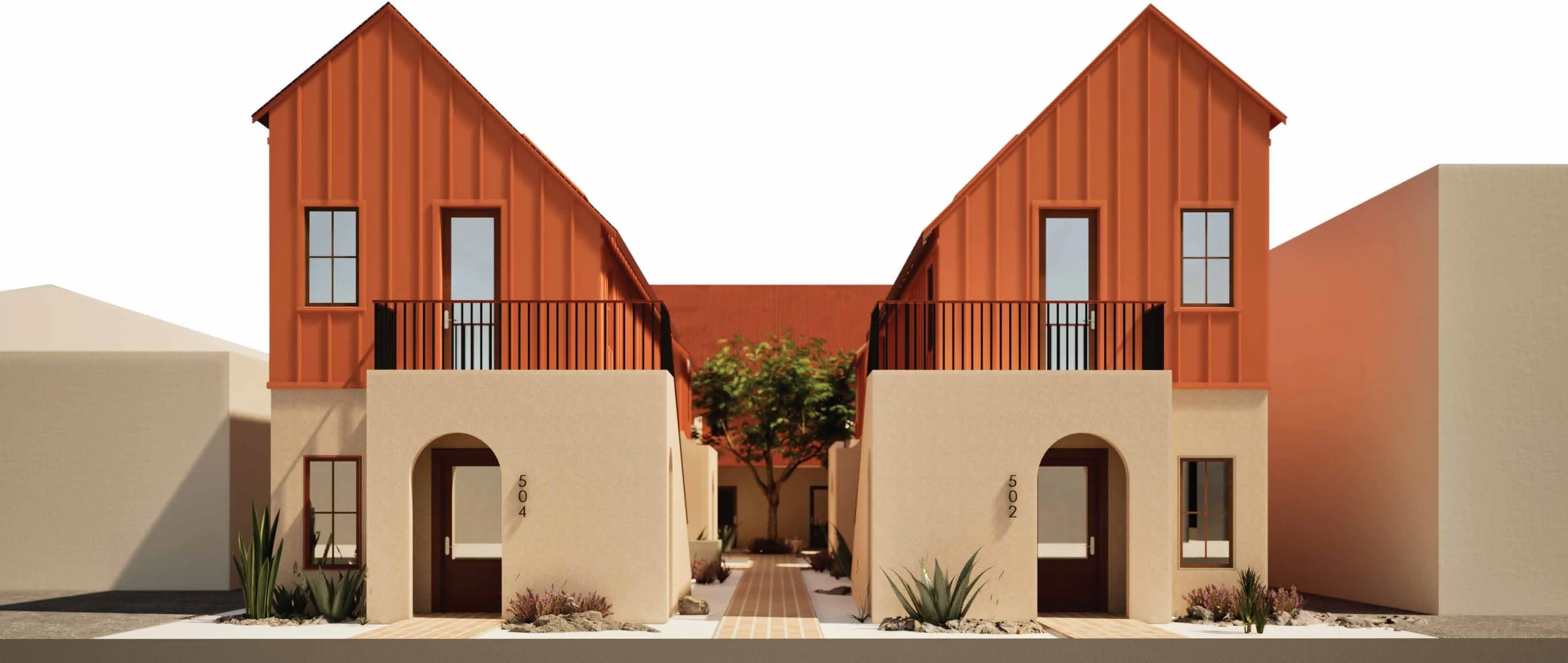


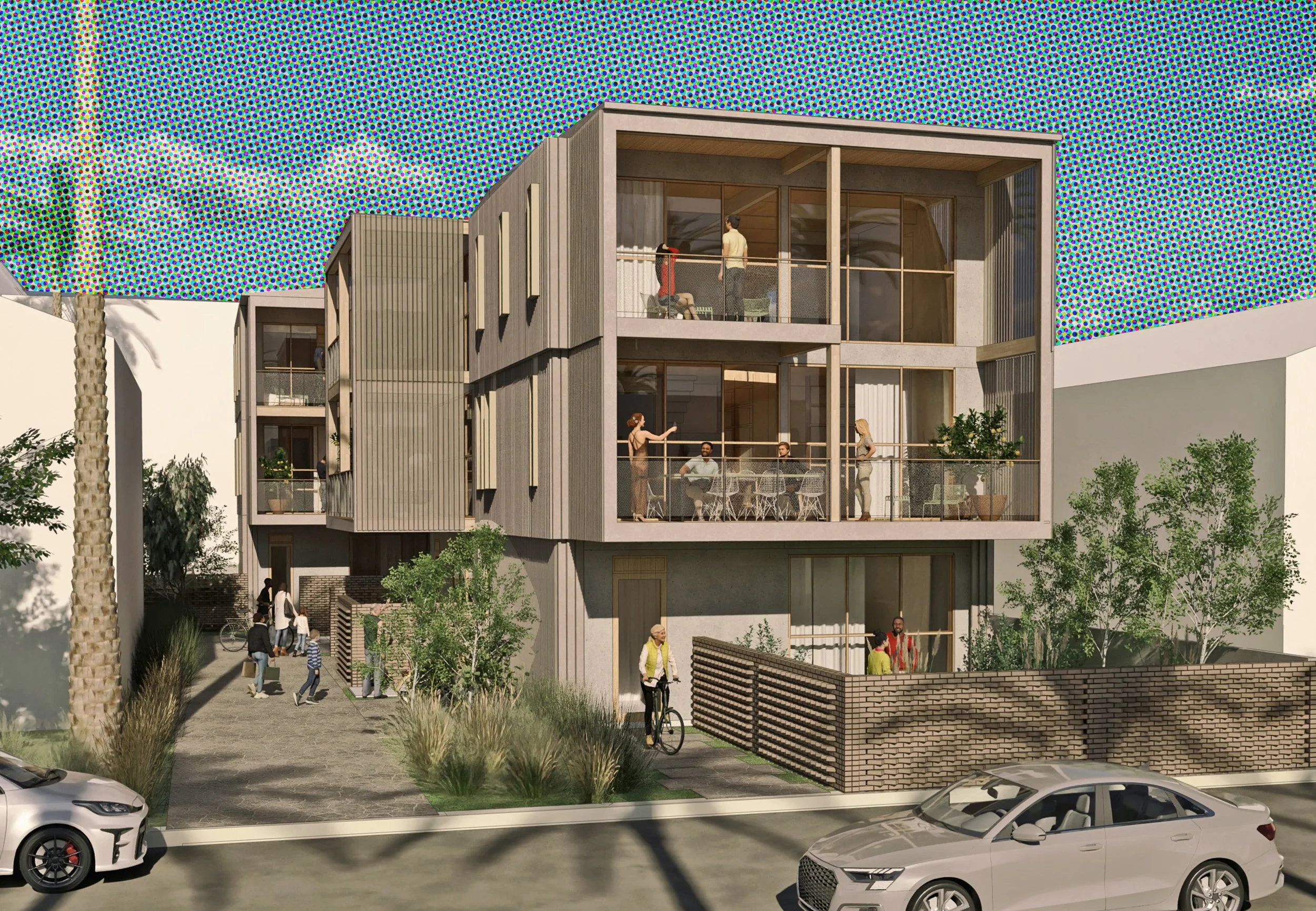


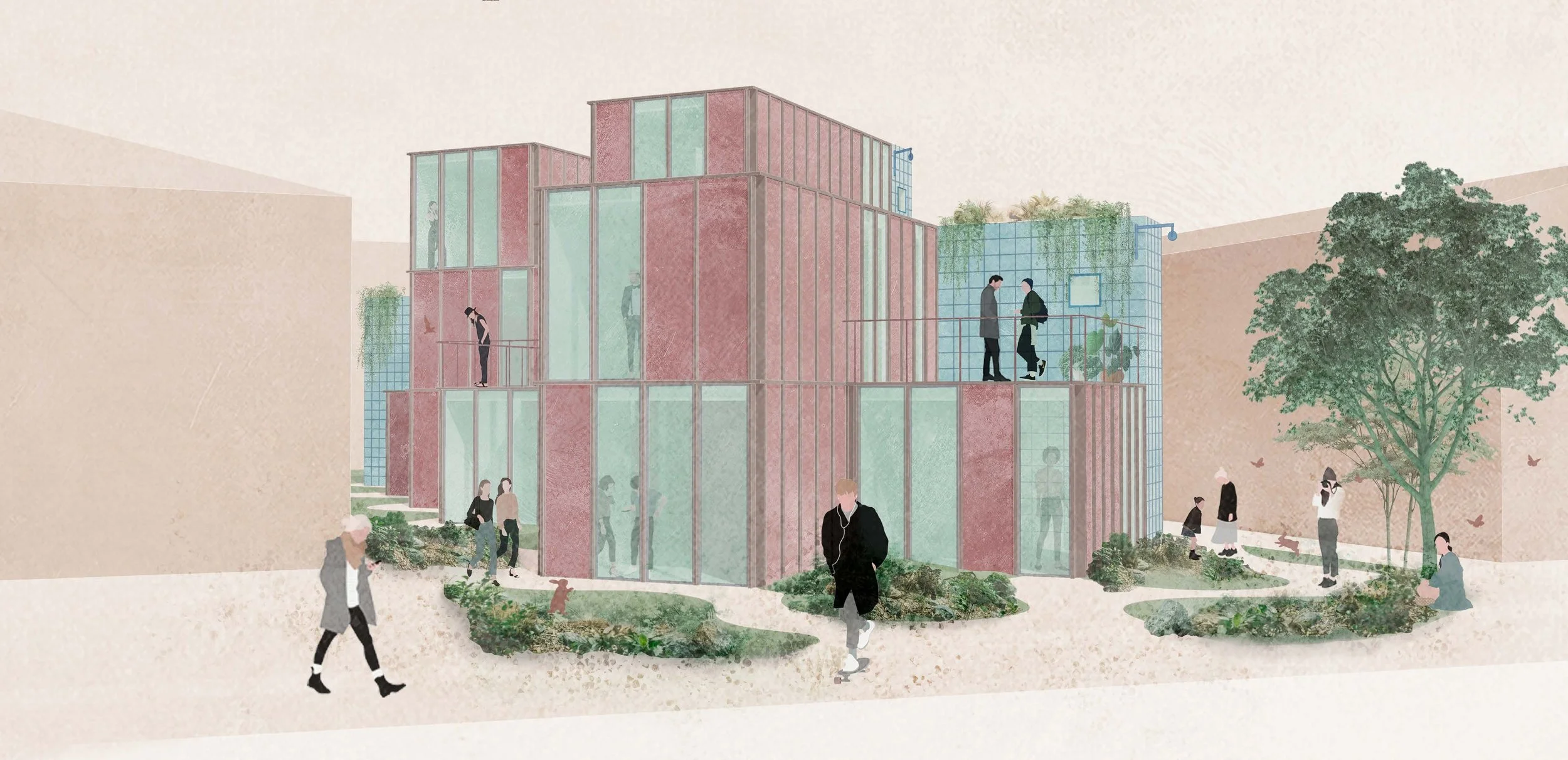


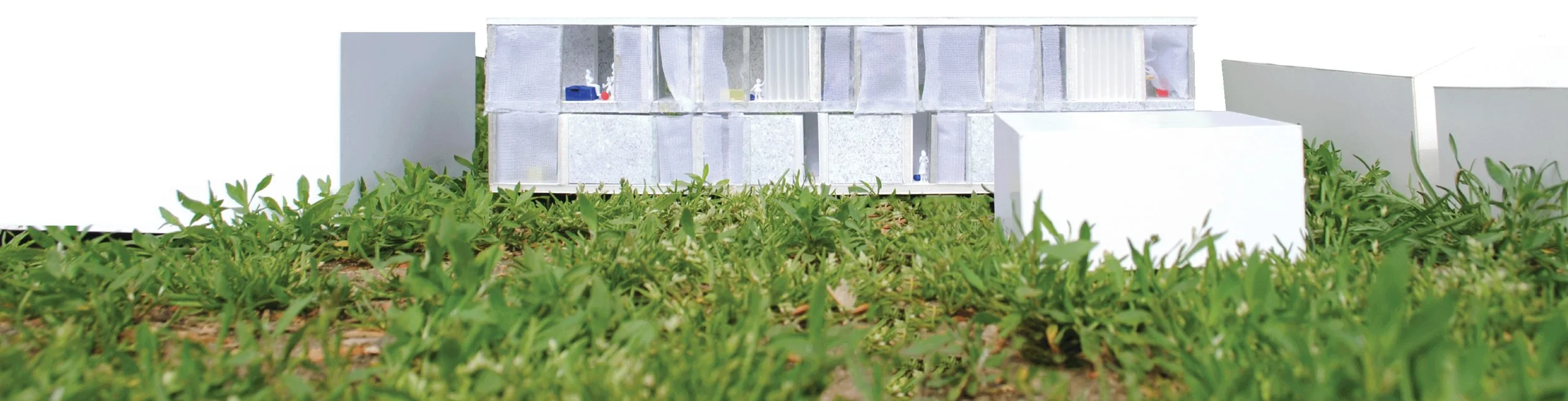

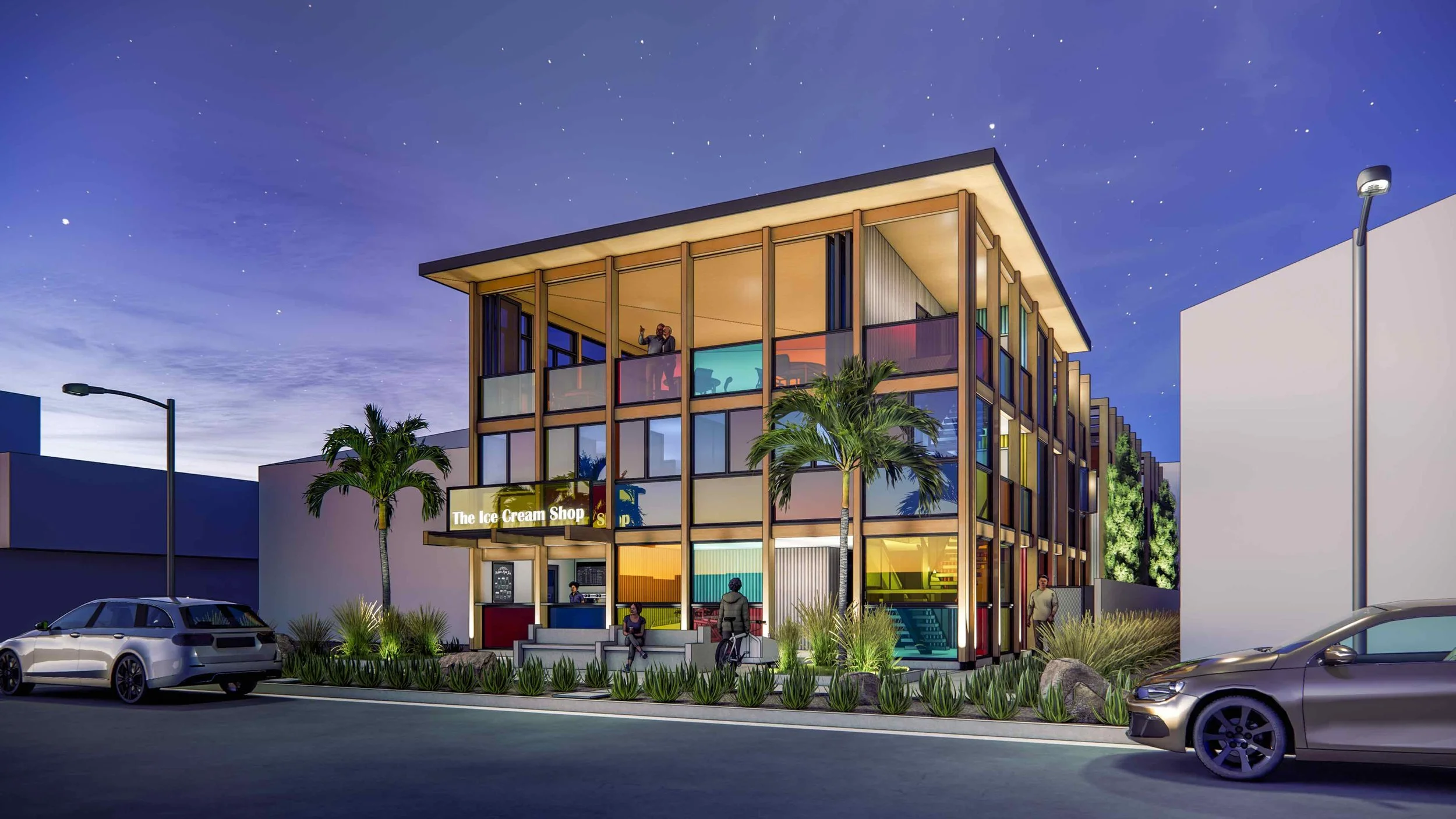

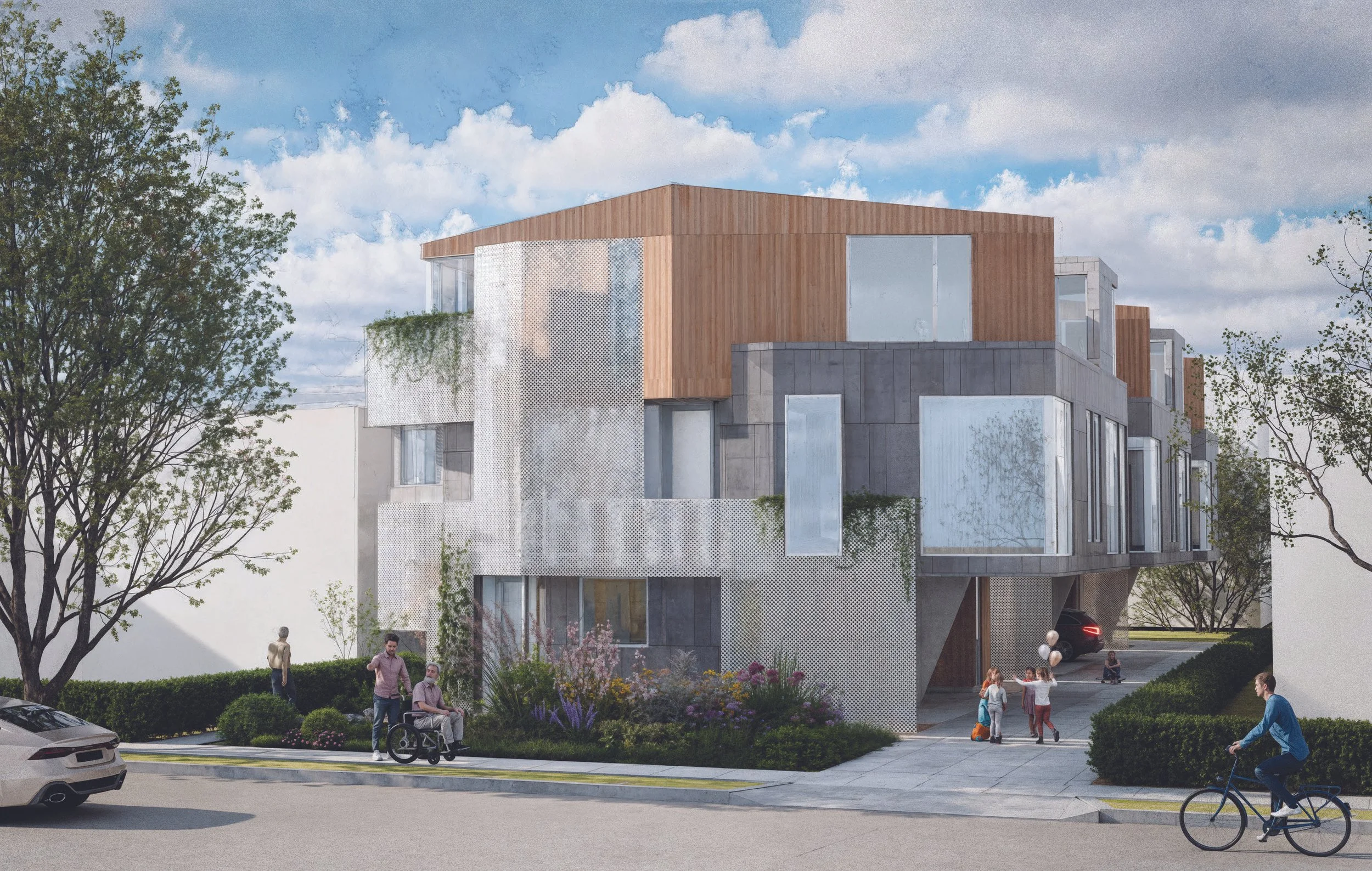


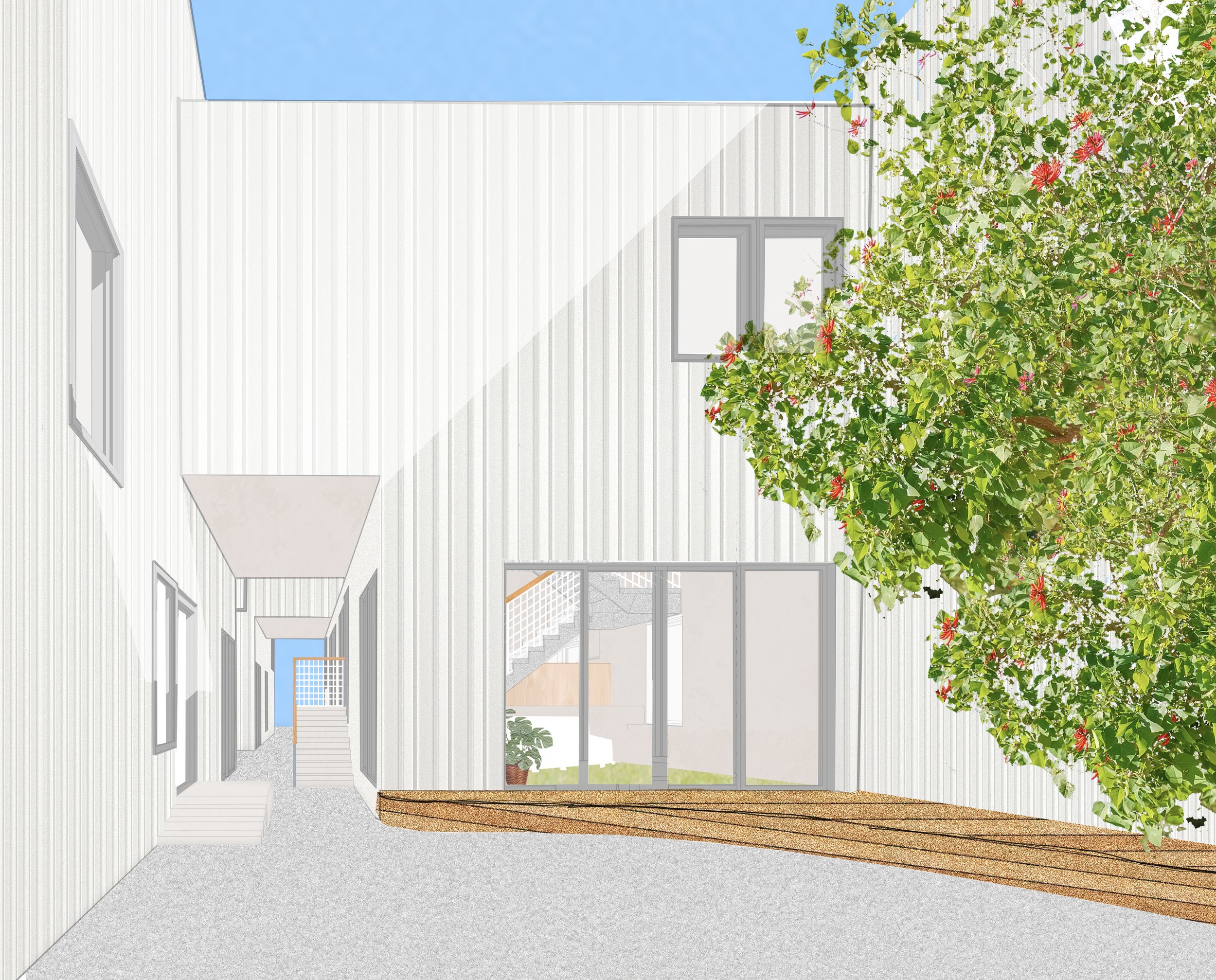








Site B: Student




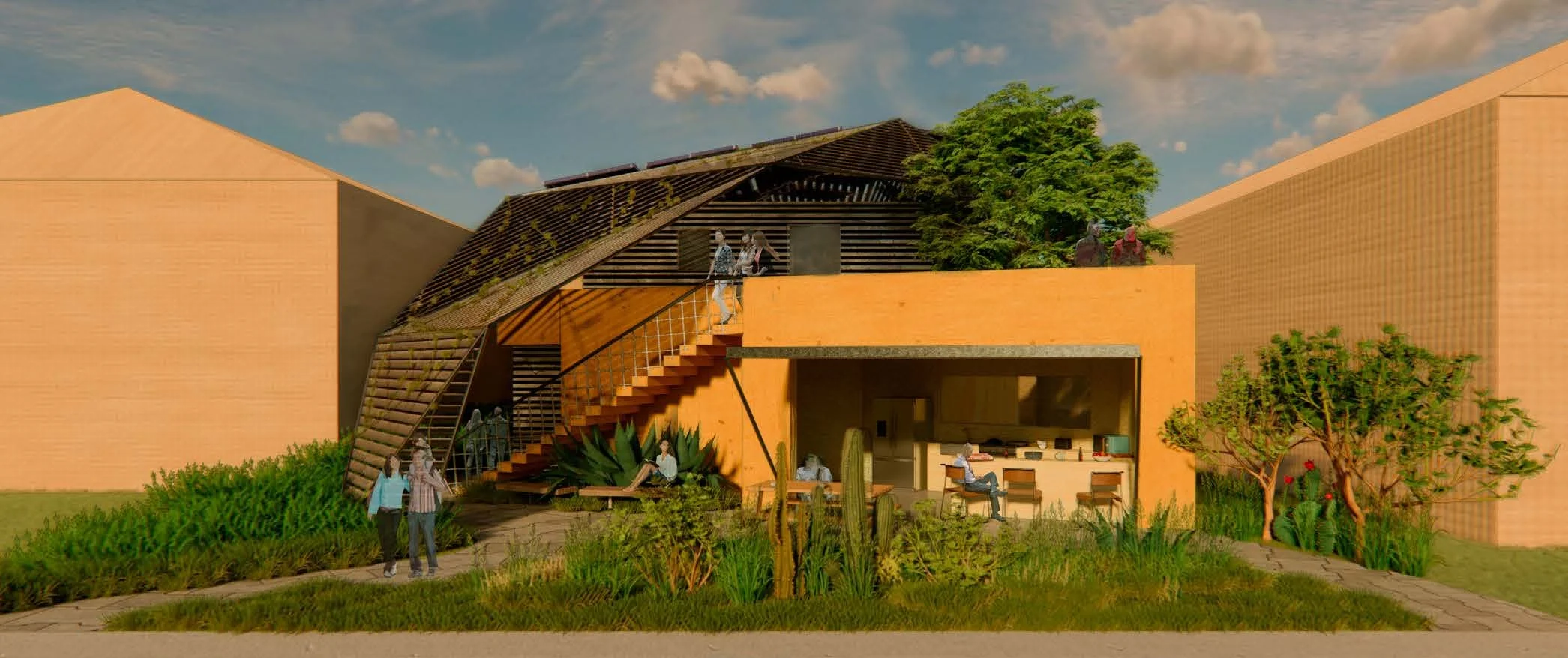

Shared Future
Site C: Professional


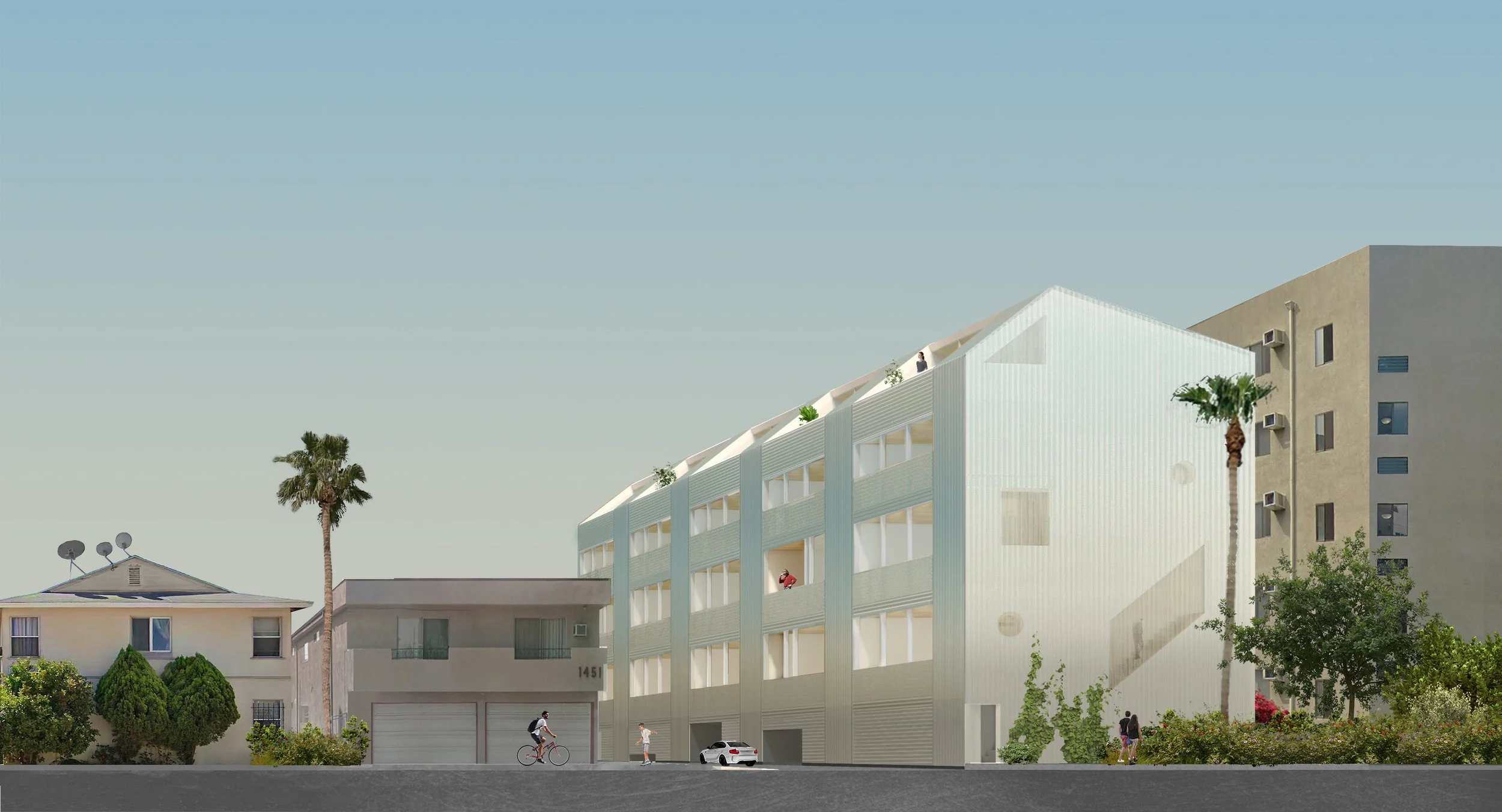


Site C: Student


Site D: Professional


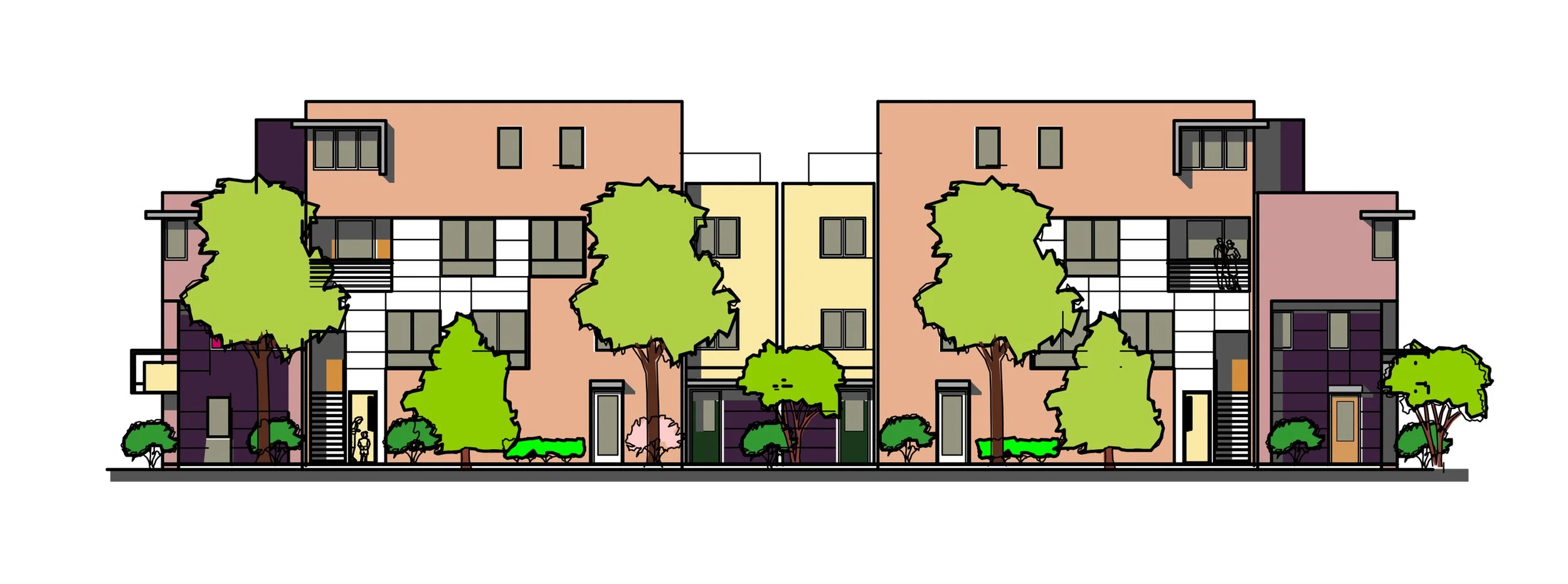

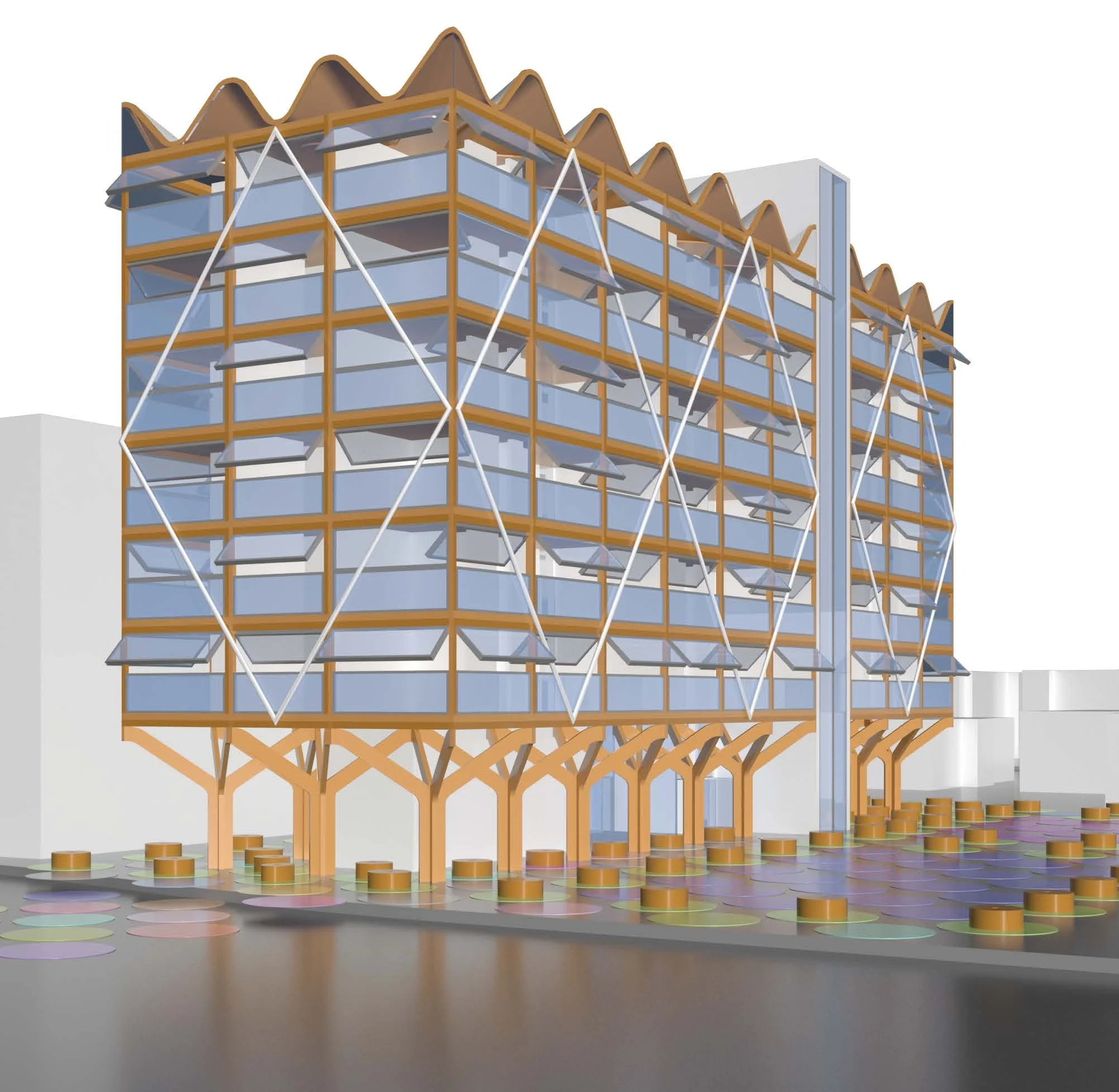


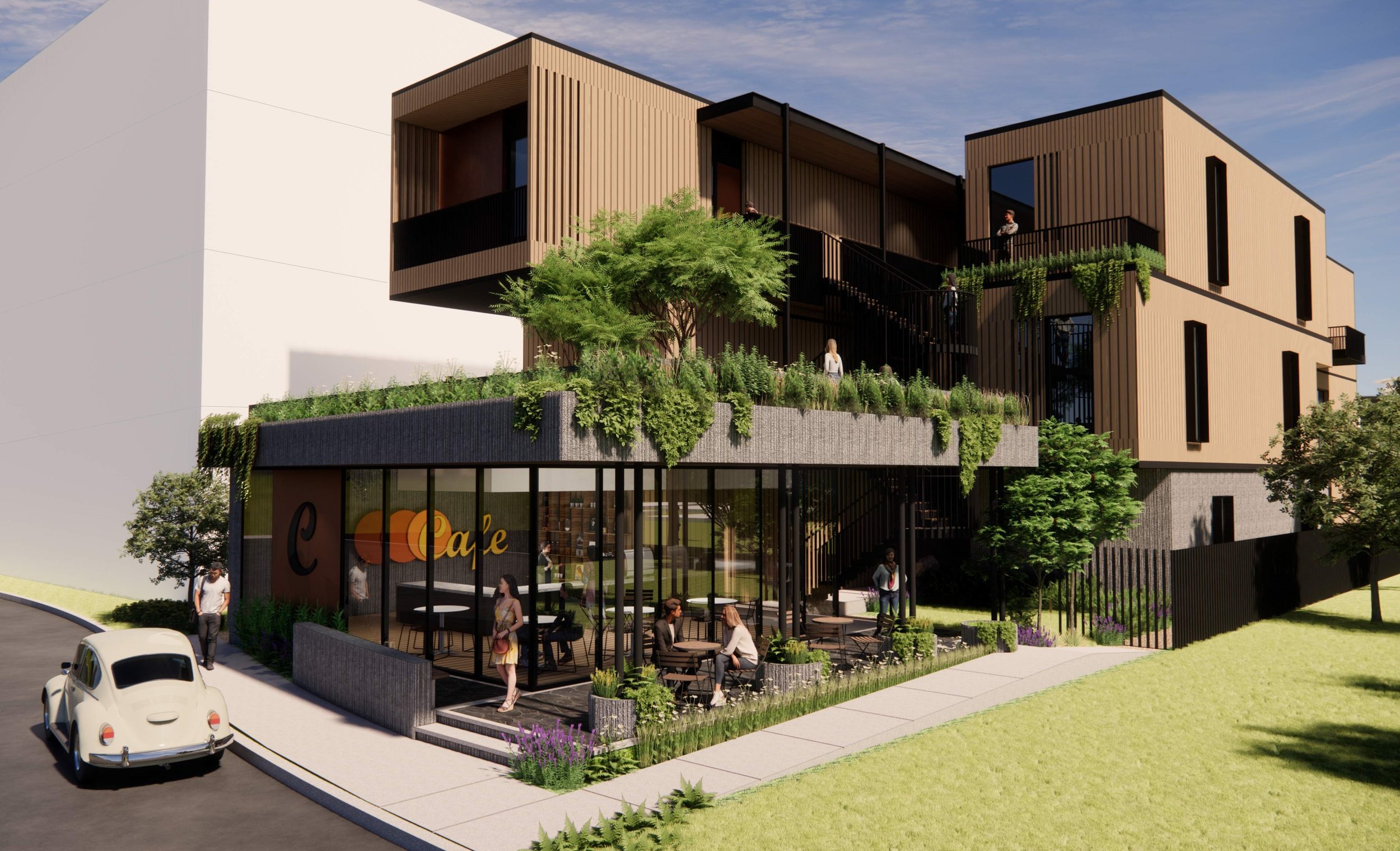


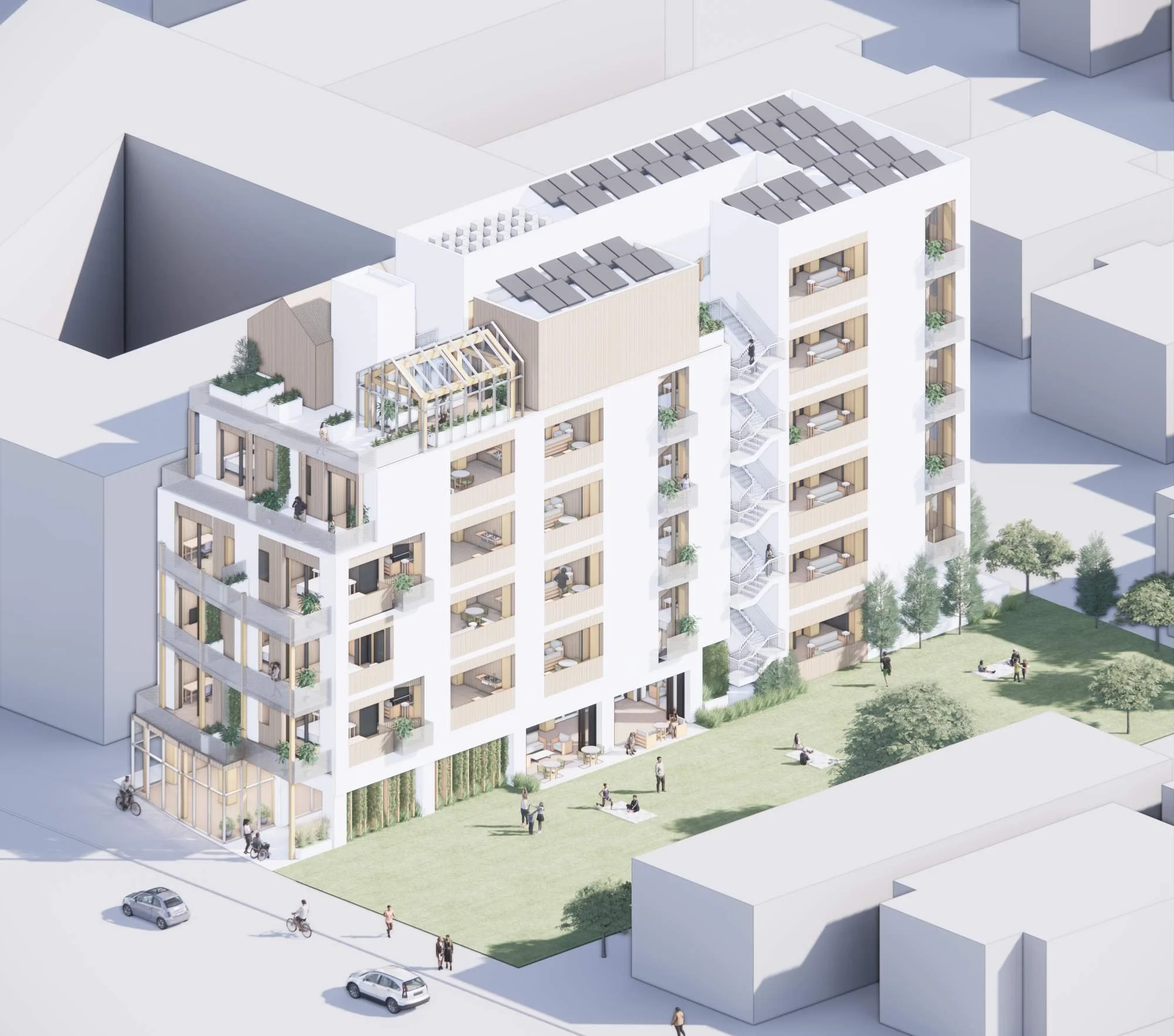


Site D: Student


The design competition of the Small Lots, Big Impacts initiative gives designers, architects, and students the opportunity to propose how small vacant lots across Los Angeles should be converted into compelling, community-oriented, resilient housing developments that make better use of land that typically sits empty or accommodates just one housing unit. Expanding homeownership need not equate with further privatization, but can instead present an opportunity to build up inclusive communities.
We call on designers everywhere to bring their ingenuity and compassion to the Small Lots, Big Impacts design competition with proposals that advance Los Angeles’ legacy of multifamily housing design and offer housing ideas rooted in equity, resilience, and sustainability. Submissions to the design competition are expected to demonstrate a variety of innovative housing schemes that help set the course for Los Angeles’ future.
Through the design competition, we ask participants to address one of the City’s fundamental housing challenges. Where one household lived in the past, today we need to increase the number of residents while retaining or even expanding upon the multiple benefits of home: access to the outdoors, comfortable relationships with neighbors, flexibility for changing needs, ample natural light, stability, opportunities for wealth building, a sense of identity, and safety from an increasingly volatile climate. Rather than focus on an isolated house on its own piece of property, Small Lots, Big Impacts asks for demonstrations showing how more households can share space while simultaneously creating more resilient neighborhoods. After the raging fires of early 2025 that expanded the housing crisis, destroyed whole neighborhoods, and destabilized all Angelenos, forecasting a more resilient, equitable, collective, 21st century urbanism in the Southwest and beyond is all the more urgent.

Call for
Submissions

Irving Gill, Horatio West Court, Santa Monica, 1919. Library of Congress.

The
Los Angeles Context
Gently and sustainably densifying Los Angeles’ residential fabric is the generational challenge the city must solve to address its housing shortage. This was true last year and remains true today, but this initiative comes at a time when Los Angeles is reeling from the devastating fires that burned more than 60 square miles and 11,000 homes, along with schools, religious institutions, landmarks, and businesses. Disaster recovery is the best and the worst time to rethink urban transformation. Those who lost so much need a path forward to rebuild their lives. At best, that process is made faster, easier, and less expensive. At worst, we recreate the very setting for the next disaster. Over the coming years Los Angeles will rebuild its devastated communities. As we are all thinking about the future, Small Lots, Big Impacts aims to support these efforts by producing up to a dozen model housing developments that are quick to build, affordable, resilient, and architecturally compelling. The models will physically demonstrate how we can craft a city that is ready to face the challenges ahead. Los Angeles’ decades-long problem with housing supply and its recent fires may be independent, but they share a solution: shifting our residential fabric to be more sustainable, dense, connected, well-built, and community-oriented. In today’s uncertain world, we are better together and our cities can better reflect this vision.


Ed Ruscha, The Fourteen Hundred; Twin Palms; St. Tropez; and 2106–2108 Beverly Glen Blvd from Some Los Angeles Apartments, 1965. Courtesy of the Artist.

Sites

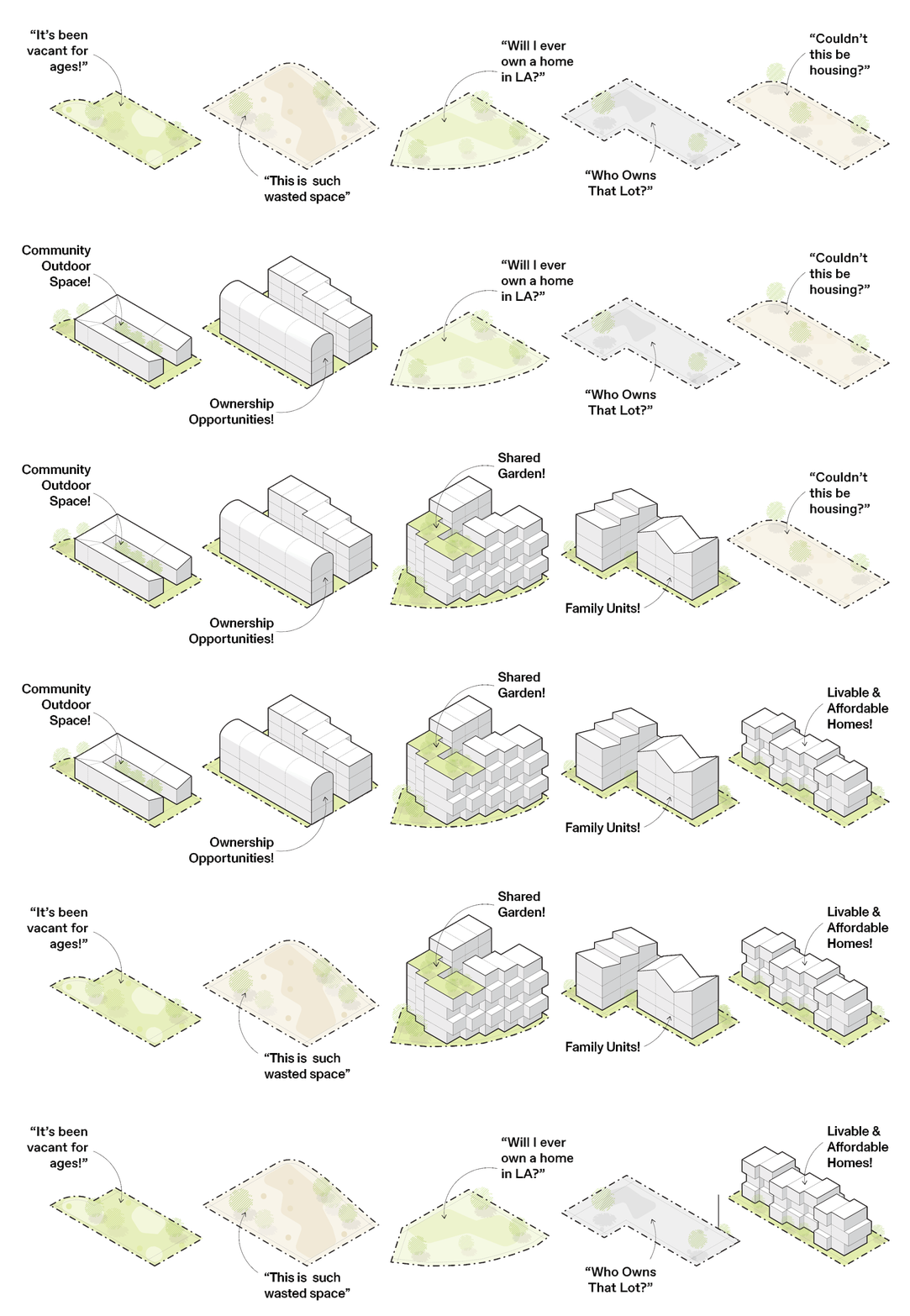
This Design Competition is organized around two site categories, both of which represent housing development opportunities inherent in Los Angeles’ residential fabric. The first site category, called Gentle Density, is aimed at developing small-scale multifamily housing on infill lots that are the by-product of urban sprawl. We include two Gentle Density sites in this competition. The second site category, called Shared Future, is aimed at reviving the missing middle and mid-rise multifamily housing that Los Angeles famously once built but has since forgotten. We include two Shared Future sites in this competition. From these four prototypical sites, applicants will select one.
The four competition sites stand in for hundreds of other similar City-owned properties and thousands of privately-owned infill sites in Los Angeles. All are overdue for much-needed residential construction.

Timeline
Applicants must register for the design competition by April 7th at 11:59 PM Pacific Standard Time. Register here and donate here. Upon registration, teams will be receive full site information and are free to begin working.
More information on the competition, deliverables, and site categories can be found in the competition brief, available here.
March 5th
Design Competition opens + Registration Form goes live
May 5th – May 26th
Jury deliberations
Webinar about the Initiative + live Q & A
March 12th
Registration closes at 11:59 PM Pacific Standard Time
April 7th
Submissions due by 11:59 PM Pacific Standard Time
May 4th
Design Competition winners announced
May 29th
Celebratory event and Development Team matchmaking
June 2025
Development Team RFQ
Spring 2026

Goals
Staying Power
Alternative home ownership and stable, affordable tenancy models; strategies that maximize yield, and feasibility, while adhering to zoning and planning standards; high-quality, public-facing projects.
Livability
Abundant daylight and ventilation to all units; connections to the outdoors; significant and well-considered shared spaces; thoughtful and engaging massing strategies; sensitive relationships to the surrounding building context; welcoming and active street facades that engage with the neighborhood.
Performance & Replicability
New construction systems and material technologies that respond to fire recovery and streamline construction; strategies that reduce costs and development timelines; sustainable building techniques that reduce energy usage and lower embodied carbon; feasible, constructable demonstration projects that create pathways for more resilient housing; replicable ideas that can proliferate to drive similar projects.
Resilience
Climate-adaptive housing that protects occupants and improves neighborhoods; community benefit or resident shared use built into the proposal; site planning, landscaping, and material strategies that minimize fire risk; resilience consideration at the building, site, and community level.
Adaptability
Flexible living arrangements that can adjust to changing needs; multiple unit types that cater to different tenant populations.
Robbert Flick, P2730297-352 from Freeways (2011–13). Courtesy of the Artist.

FAQ
-
This competition seeks to identify a diverse pool of designers. We encourage proposals from larger, established firms as well as smaller, emerging firms and independent practitioners. We especially encourage women and minority-owned teams to submit. In addition, we recognize the rich history of outside voices contributing to Los Angeles’s cultural landscape, and invite firms from across the country and world to submit proposals. Competition entries will be judged anonymously, though success in the initiative will require a deep understanding of Los Angeles’ specific housing challenges. Applicants can submit to either site category and design competition winners will be chosen anonymously; however, we encourage emerging design teams to apply to the Gentle Density sites and more established design teams to apply to the Shared Future sites owing to the difference in project scale.
-
All applicants must register here. Both teams and individuals are allowed to apply. While the registration period will remain open until the April 7th deadline, the organizers strongly encourage interested applicants to complete their registration forms early in order to receive timely communications.
-
Both students and professionals are invited to submit to the Small Lots, Big Impacts design competition, though only professional applicants will be eligible to proceed to the RFQ stage of the initiative. Members of the jury, along with their co-workers or professional partners, are not eligible to participate in the design competition. Architecture licensure in California or elsewhere is not required to enter the design competition.
-
Submissions are to be digital only; no hard copies will be accepted. All submissions must be submitted electronically by 11:59 PM PST on May 4th, 2025. A submission link will be sent to registered applicants in advance of the deadline. Submissions must be a single PDF. Late entries will not be accepted.
-
The jury will select both student applicant and professional applicant winners. Monetary prizes will be awarded to first ($1,500), second ($1000), and third ($500) place winners from the student submissions (all sites will be evaluated together); the jury may also choose to award student submission citations that do not entail a monetary prize.
Professional winners will not receive monetary compensation. However, they will have the opportunity to join or form Development Teams in the second phase and will have access to expert consultants to assist with crafting a competitive proposal. From the professional submissions, up to ten winners from each site category (20 total) will be selected. Winners will be selected based on design quality and how well their proposals align with the objectives of the Small Lots, Big Impacts initiative. All student and professional winners and their proposals will be publicized widely through a range of media and events.
-
Submissions will be evaluated anonymously across five criteria. Jurors will consider both the design and required narrative when evaluating submissions.
Staying Power
Livability
Performance and Replicability
Resilience
Adaptability
-
Each team submitting to the Small Lots, Big Impacts design competition is asked to submit one 30 inch by 40 inch poster board in landscape PDF format to illustrate their design solution. The design of the board is at the discretion of the submitting team. Each submission must include the following elements at a minimum:
Street Views
At least 1 image, which must be the ‘hero’ image of the posterNarrative
Not to exceed 300 words and must be included on the posterFloor Plans
At least one typical floor plan for each floor. Specify drawing scale.Interior Views
At least one imageSections
At least one imageOther Images
Include as many other images or diagrams as required to sufficiently describe the design solution.
-
Upon registration, applicants will list identifying information and the names of all team members so the organizers can accurately credit all members of the winning teams. To ensure the jury reviews submissions anonymously, in advance of the submission deadline the organizers will send a submission form to all registered teams along with a unique identification number for each team. Submissions will be reviewed using this anonymized number.
Jury

Dr. Dana Cuff
cityLAB-UCLA Director; Professor of Architecture + Urban Design. Jury Chair

Christopher Hawthorne
Senior Critic at Yale School of Architecture; Former Los Angeles Chief Design Officer

Hilary Sample
Co-Founder of MOS; IDC Foundation Professor of Housing Design at Columbia GSAPP

Jonathan Tate
Principal of OJT; Professor of Practice at Tulane School of Architecture

Kevin Keller
Executive Officer, Los Angeles City Planning; Former Deputy Mayor for Housing, City of Los Angeles

Maurice Cox
Emma Bloomberg Professor in Residence of Urban Planning and Design at Harvard Graduate School of Design; Former Chicago Planning and Development Commissioner

Phoebe Yee
Executive Vice President of Design for Related California